
Five Standout Claims in ABC vs FCC Lawsuit
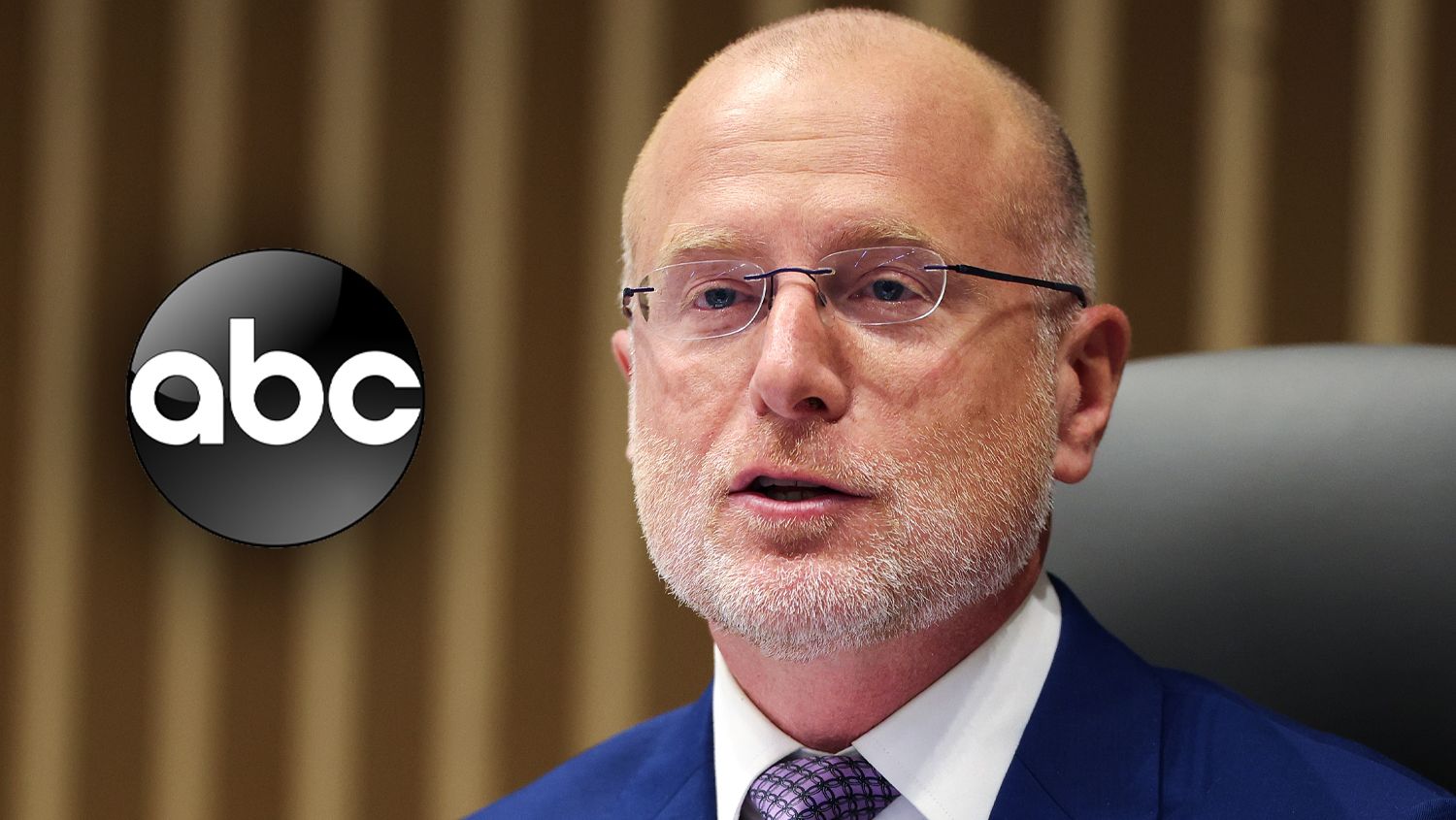
In a high-stakes legal confrontation over free speech and regulatory authority, ABC has escalated its fight against the Federal Communications Commission (FCC).
For several months, the network has been engaged in a persistent pushback against the FCC’s regulatory actions and investigations. This ongoing tension has culminated on Tuesday with the filing of a major First Amendment lawsuit, marking a significant legal escalation in the battle over media freedom.
The lawsuit makes a bold claim: that the FCC’s actions and investigations were not merely routine regulatory oversight but were deliberately orchestrated as part of a broader effort by the Trump administration to punish the network for its speech.
The legal filing frames the dispute not just as a disagreement over policy, but as an attack on fundamental constitutional rights. The narrative woven throughout the lawsuit details how these regulatory mechanisms were deployed in response to Donald Trump’s attacks directed at the network.
This legal challenge moves the discussion beyond typical media regulation and into the complex intersection of political speech, government action, and constitutional protection. It brings into sharp focus the delicate balance between governmental oversight and the protection of editorial independence.
The case serves as a stark reminder of the ongoing struggle for First Amendment rights in the digital age, pushing the boundaries of what constitutes acceptable government involvement in the oversight of broadcast media.
Buy on Amazon
Credit