Forgotten Island nostalgia overload review
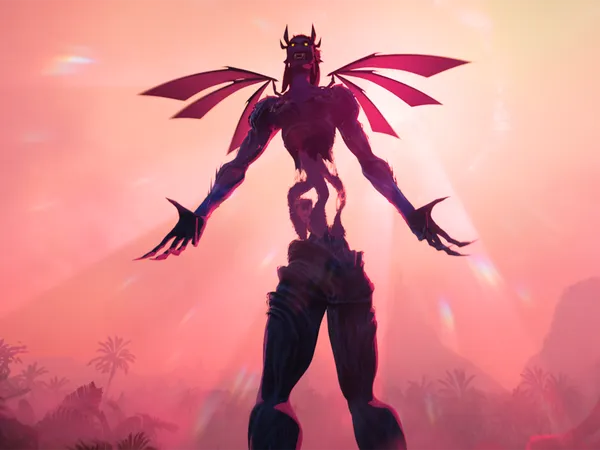
Step into the world of Forgotten Island, a Dreamworks animated feature that plunges viewers headfirst into a kaleidoscope of nostalgic aesthetics and wild visual experimentation. This film is built on a deep, shared fondness for the nineties, marrying familiar pop-culture signifiers with a fresh, dynamic visual language that celebrates the chaotic energy of a bygone decade.
The film channels a potent wave of nineties nostalgia, drawing inspiration not just from period fashion and music, but also from the visual lexicon of anime and manga, as well as the ultra-wide-angle perspectives popular in early digital filmmaking. Directors Joel Crawford and Januel Mercado craft a world that feels steeped in this retro sensibility, grounding it in the rich tapestry of Filipino mythology and the creatures of the archipelago.
This fusion is executed through a playful, layered approach. The animation itself is assembled from a collage of period-appropriate interests and contemporary graphic brushstrokes, giving the film a distinct, stylized texture. Visual elements are pushed further by incorporating mixed media, including live-action clips—such as a scene featuring the Predator playing on television—creating a crude, anarchic tapestry that echoes the spirit of nineties cartoons. The filmmakers seem to be consciously leaning into this instinct to retreat into childhood, utilizing these visual “blemishes” to add texture rather than seamless immersion.
The camera work further emphasizes this raw aesthetic. Through virtual camerawork that mimics the telltale quake of handheld footage, the camera is treated as a physical object, reminiscent of spontaneous skateboard videos. This patchwork sensibility is amplified by the skillful incorporation of 2D animation into moving tapestries and cutout-styled sequences, pushing the boundaries of what a children’s film can look like.
However, as the visuals spin and the creative ideas collide, the film’s pace can sometimes prove overwhelming. The energy of the narrative is characterized by rapid-fire editing and loud, quick-paced patter. While the film is packed with gags, such as clever malapropisms, the sheer hyperactivity risks drowning out the deeper emotional currents. The rapid-fire nature can occasionally leave little room for genuine wonder or for the poignant moments that truly linger.
Ultimately, the unique visual qualities of Forgotten Island are undeniable, offering a vibrant, visually arresting experience. But the success of the film hinges on balancing this dazzling, chaotic energy with sufficient space for reflection, ensuring that the audience has time to absorb the genuine poignancy of the story, rather than simply being swept away by the noise.
Buy on Amazon
Credit