Forgotten Island: Pop Culture Nostalgia Overload
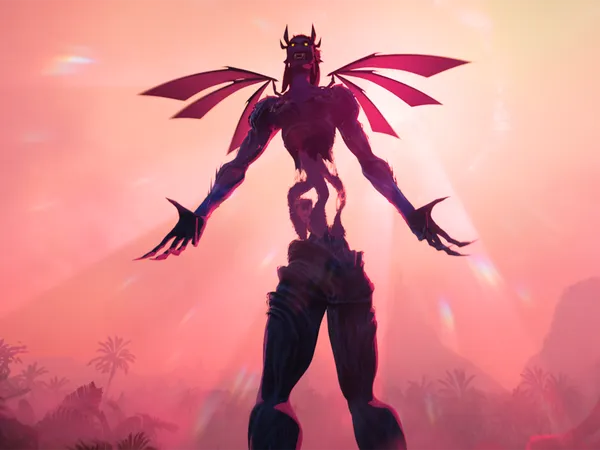
When animation dips into the realm of nostalgia, it often seeks the comfort of the past. Dreamworks’ Forgotten Island delivers a vibrant, highly stylized experience, immediately drawing viewers into a collage of pop culture memories, from the neon hues of the nineties to the wild aesthetics of anime and manga.
Directors Joel Crawford and Januel Mercado have crafted a film that feels steeped in the visual language of a bygone decade, borrowing heavily from the era’s visual shorthand. This aesthetic fusion—blending period-appropriate interests with contemporary animation techniques like graphic brushstrokes—gives the film a distinctive, highly idiosyncratic look.
The visual style is a masterclass in visual collision. The film utilizes 3D craft, often bathed in neon light, heavily influenced by the ultra-wide-angle lenses common in early digital cameras. The camerawork itself mimics the ad hoc energy of skateboarding videos, employing a handheld, shaky effect that makes the camera feel like a tangible object, immersing the audience directly into the action.
Beyond the surface aesthetics, the filmmakers embrace a delightful sense of visual anarchy. Forgotten Island is assembled from a rich mixture of media, incorporating 2D animation into moving tapestries and utilizing cutout-styled sequences. This patchwork sensibility, which includes deliberately crude elements like live-action clips of television footage, echoes the anarchic spirit of nineties cartoons and invites a retreat into childhood simplicity.
The story itself mirrors this instinctual retreat. Jo’s initial desire to seek refuge on the island reflects a natural, childlike impulse. This sense of safety is complicated by Raissa’s potential—symbolized by the wings she discovers—creating a powerful tension between innocence and burgeoning possibility.
While the film excels in its visual density and creative visual ideas, the narrative pacing sometimes struggles to accommodate this hyperactivity. The rapid-fire editing and loud, energetic dialogue, while generating plenty of gags, can ultimately overshadow the deeper emotional moments.
Ultimately, the film’s unique qualities are often drowned out by the sheer noise. For a story as visually rich as Forgotten Island to resonate fully, there needs to be space for wonder and genuine poignancy to settle in. If the creative energy can be channeled slightly more thoughtfully, the film has the potential to move beyond mere visual fun and achieve lasting emotional depth.
Buy on Amazon
Credit