Ghost Rider Movie Must Avoid This Marvel Mistake for Success
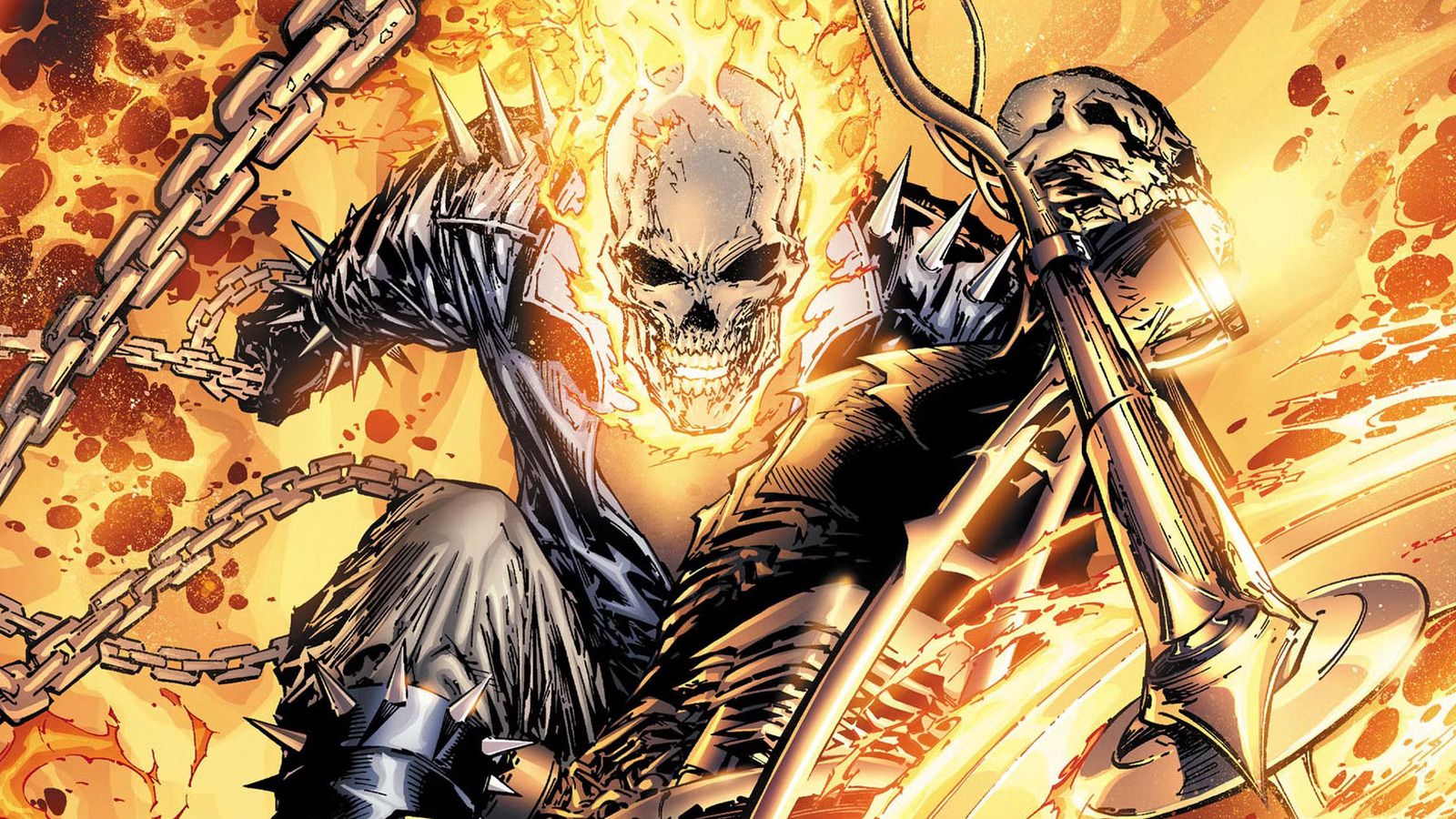
The Fine Line Between Wit and Wrath: Does Comedy Fit the Ghost Rider Mythos?
When blockbuster cinema lands a major star in a franchise, the studio often seeks a perfect blend of appeal and thematic coherence. This balancing act is particularly acute when dealing with franchises built on intense mythology, heavy drama, and visceral action, such as those spearheaded by Marvel Studios. The decision of how to inject lightheartedness into dark or mythic narratives is never simple; it requires an understanding of the audience’s expectations and the core thematic substance of the story itself.
Enter Ryan Gosling, a performer whose effortless delivery and sharp comedic timing have cemented his reputation for delivering nuanced wit across various mediums. His gift for quippiness has made him a beloved figure in popular culture, known for his ability to charm audiences with subtle humor and understated irony. This quality might seem like an ideal fit for the sprawling, often irreverent world of Marvel Studios.
However, applying that specific brand of comedic sensibility to a film centered on the grim, supernatural vengeance of Ghost Rider presents a different kind of challenge. The concept of Ghost Rider is inherently dark—a journey into damnation, eternal conflict, and fiery retribution. It demands a tone of serious gravitas, intense emotional weight, and palpable menace.
The central question then becomes: can comedy coexist successfully with cosmic horror and righteous fury? Injecting jokes into a narrative focused on supernatural angst risks undermining the very stakes that make the mythology compelling. If the humor overshadows the pain or the intensity of the Rider’s quest for vengeance, the resulting film could feel tonally inconsistent.
While some filmmakers might argue that a touch of levity can be a necessary counterbalance to heavy material, others contend that thematic fidelity must take precedence over comedic convenience. For a story steeped in eternal fire and moral ambiguity, subtlety is often the most potent tool. The weight of the narrative demands a solemn approach.
Ultimately, placing Gosling’s comedic talents into a Ghost Rider framework requires careful calibration. It is a delicate operation where the line between charming performance and narrative consistency must be respected. The success of such a venture will hinge on whether the humor serves the story, or distracts from it, proving that sometimes, the most powerful cinematic statements are delivered with profound silence rather than a punchline.
Buy on Amazon
Credit