Goosebumps Origins: Ryan Gosling and the 90s Legacy
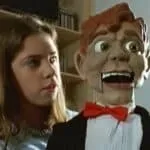
Before the iconic theme song echoed through your memory, before the plastic toys filled your shelves, and before a generation learned that being scared could be fun, there was a quiet author named R.L. Stine. His journey from crafting joke books to terrifying children’s horror became one of the most celebrated publishing phenomena of the 1990s: Goosebumps.
The franchise’s story is a fascinating blend of creativity and cultural timing. Stine, who initially wrote comedy, didn’t set out to be a horror master. Yet, through a collaboration with editors, he discovered the power of fear. He turned his attention to the genre, resulting in the bestselling Blind Date, which proved that young readers weren’t just willing to be scared—they were hungry for it.
This success paved the way for the Fear Street series, but it was a chance encounter with a single advertisement that truly sparked the Goosebumps concept. A simple, playful phrase on a poster declaring “It’s Goosebumps Week” gave Stine the perfect, slightly creepy name for a children’s horror series. It was eerie, fun, and just scary enough.
The visual appeal of the books was equally crucial. Illustrator Tim Jacobus created covers that were genuinely unsettling—grinning jack-o’-lanterns and ventriloquist dummies that looked like miniature horror movie posters. This visual mastery transformed the books into a publishing phenomenon, selling hundreds of millions of copies worldwide.
The next leap for the franchise was television. The deal to adapt the books for the screen was largely championed by Margaret Loesch, who saw the potential in the material. In 1995, Fox Kids and Scholastic partnered to create an anthology series. This production took place in Toronto, which gave the show a unique, slightly unfamiliar backdrop, creating fictional American nightmares on Canadian streets.
The series ran for four seasons, bringing monster tales like The Haunted Mask and Night of the Living Dummy to life. While adapting the books, the show had to navigate the delicate line between frightening children and maintaining network standards. The result was a series that managed to deliver unsettling imagery and twist endings without being completely tame, leaving viewers with lingering chills.
At the heart of the franchise’s enduring appeal is its music. The instantly recognizable theme song, composed by Jack Lenz, masterfully balances playful melody with an unsettling atmosphere. It functions as a perfect sonic reminder of childhood fear, connecting viewers to the thrill of Halloween and school-night television.
The legacy extended far beyond the screen. The Goosebumps brand became synonymous with a massive merchandising boom, inspiring iconic VHS tapes, collectible toys, and video games. These tangible items cemented the franchise as a whole little universe of shared childhood memories.
The show also sparked a fun competition among horror anthologies, most famously with Are You Afraid of the Dark?. While both shows tackled the dark side of childhood, Goosebumps offered a steady supply of monster-filled adaptations from beloved books, while Are You Afraid of the Dark? provided a distinct atmosphere of shared storytelling through the Midnight Society. Ultimately, Goosebumps won the crown for its sheer breadth of horror universe and the lasting impact of Stine’s literary world.
Decades later, the franchise continues to evolve, branching out into feature films and new adaptations. It remains a powerful reminder that children can enjoy the thrill of fear when they understand the boundaries of the ride—offering a genuinely fun, safe reason to get those wonderful goosebumps.
Buy on Amazon
Credit