Gypsy-Rose Blanchard launches anti-harassment petition after partner’s death
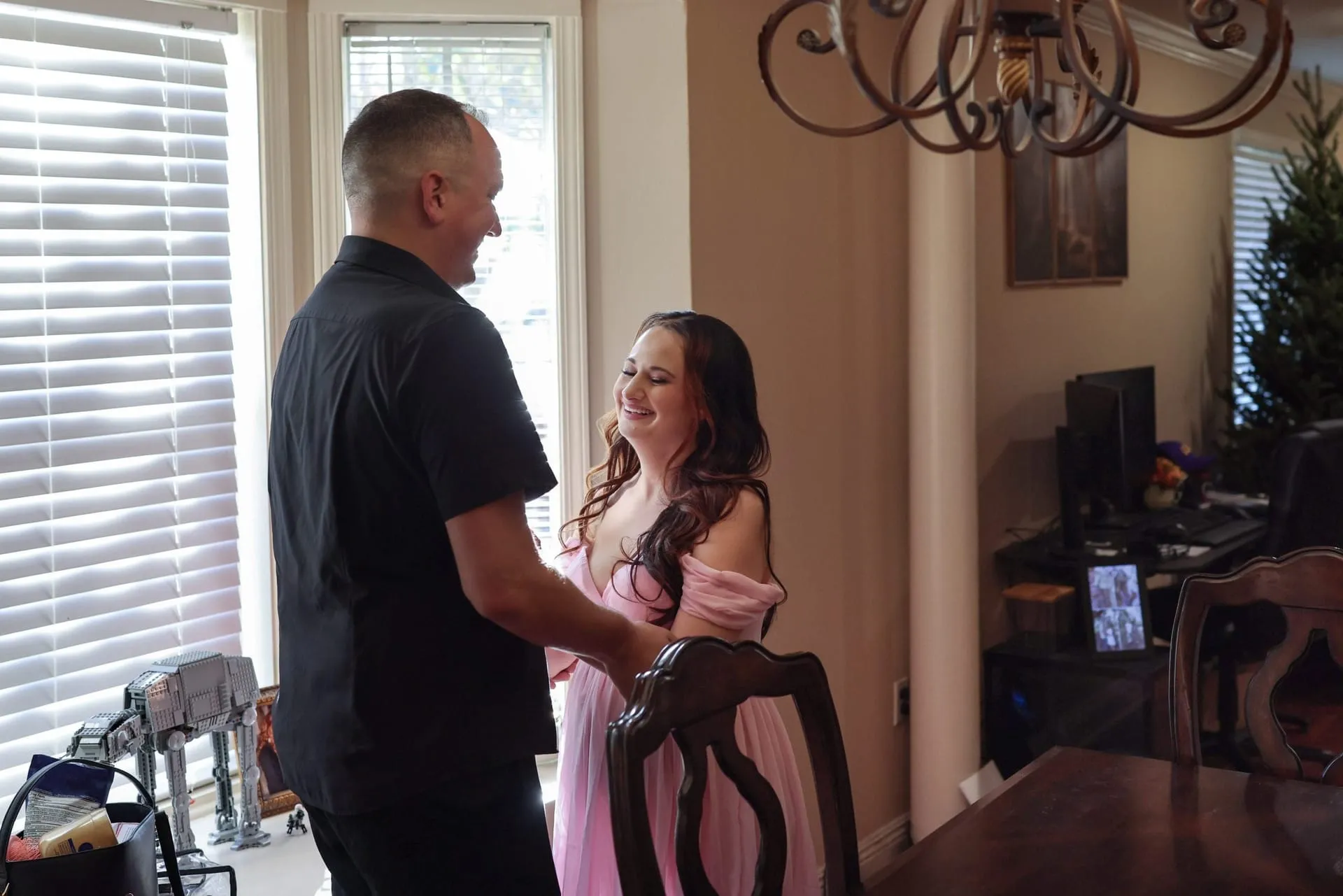
The pain of loss often forces voices into the spotlight, and in the aftermath of tragedy, Gypsy-Rose Blanchard has stepped forward to demand change, urging the public to back a critical legal effort. Following the passing of her partner, Ken Urker, Blanchard has used her platform to highlight the systemic failures surrounding online harassment and the lack of accountability faced by victims of abuse on social media.
Her message is directed toward a petition known as Kenan’s Law, a movement designed to force social media platforms to take responsibility for the harmful content that circulates online. This initiative seeks to establish meaningful consequences for the relentless abuse and toxicity that many victims endure in digital spaces.
The context of this advocacy is deeply tied to the experiences of the couple. Blanchard has spoken out about the distress and fear they experienced, noting that before Urker’s death, they had repeatedly reported issues related to online harassment. This history underscores the difficult reality that often exists behind the carefully curated images shared on social platforms.
While the details surrounding Ken Urker’s passing remain private, the broader issue of digital abuse remains intensely public. The focus shifts from the specifics of a tragic event to the larger, often unspoken, struggle of those targeted by online cruelty. Blanchard’s voice emphasizes that the digital environment, intended for connection, has unfortunately become a breeding ground for severe emotional harm.
By supporting Kenan’s Law, Blanchard is advocating for a shift in how these platforms handle complaints and protect their users. It is a call for greater transparency and effective mechanisms to address the abuse that often goes unnoticed until it becomes devastating.
This effort speaks to a growing concern about the intersection of personal privacy, public accountability, and the profound impact of online interactions. It reminds us that behind every public figure is a person seeking safety, validation, and a space free from malicious toxicity.
Buy on Amazon
Credit