Harlan County 50 Choose Your Side
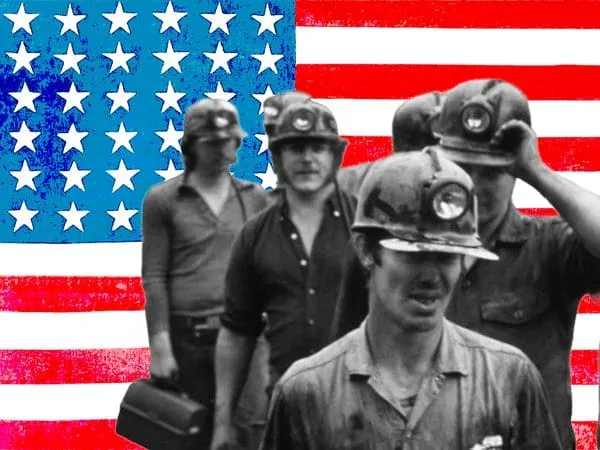
Fifty years after its release, Barbara Kopple’s documentary, Harlan County, USA, remains more than just a historical artifact; it is a potent reminder that the pursuit of truth requires more than just observation—it demands courage and context.
The history of documentary filmmaking is a relentless quest to strip away the veneer of myth and expose the real costs of progress. From the early 20th century photographers like Dorothea Lange and Lewis Hine, who captured the harsh realities of industrial work and urban poverty, to the work of Barbara Kopple, a tradition has sought to use the lens to reveal what is deliberately obscured. Yet, as we examine these images, we must ask: who benefits when we choose what to see?
Kopple’s film, centered on the intense labor struggles of the Harlan County coal miners, is steeped in this tradition of social realism. It tells the story of the 1974 strike at the Brookfield Mine, an action instigated when workers sought the right to negotiate their future, challenging the denial of basic rights by the mining company. This was not merely an industrial dispute; it was a profound clash over power and survival.
The film’s power is amplified by its unique blend of historical gravity and intimate portraiture. It captures the bitterness of the struggle through the voices of the miners, including poignant a cappella songs that reflect the raw history of the region, tracing back even to the brutal “Harlan County War” of the 1930s. Through the eyes of the community, we witness not just a strike, but the fight for heritage, where the rugged beauty of the Appalachian landscape mirrors the hardship of its inhabitants.
Kopple’s approach was deeply personal. By building relationships with the community over months, she allowed the action to unfold organically, juxtaposing impassioned speeches with the intimate details of daily domestic life. The film doesn’t shy away from the difficult truths, including examining the miners for diseases like black lung, underscoring the tangible toll of their existence. Her presence on the picket lines, facing danger alongside her subjects, cemented the film as a testament to shared experience and resistance.
But the relevance of this stark historical struggle extends far beyond the mines and the strike lines. Today, as we navigate the fractured landscape of the digital age, the challenges of power and exploitation have morphed. The intense, localized conflict of the past gives way to the sprawling, often isolating dynamics of the modern gig economy, where platform workers like those driving for DoorDash or Uber lack collective leverage against massive corporate entities like Amazon.
In this new economy of attention scarcity, the quality of observation is paramount. While technology offers unprecedented ways to share images, the trust required for meaningful solidarity is increasingly elusive. Algorithms thrive on isolation and division, prioritizing immediate impact over context, making it difficult to separate fact from ideology.
Kopple’s work stands as a powerful counterpoint to this fractured reality. It reminds us that true witnessing is a political act. It illustrates that attention, when focused on the lived experience of a community, is not just a personal pursuit but a fundamental means of resistance. By bearing witness to Harlan County, she compels us to confront our own position, forcing us to ask a timeless and urgent question: which side are you on?
Credit
