Healing wounds through macabre rituals in Oasis
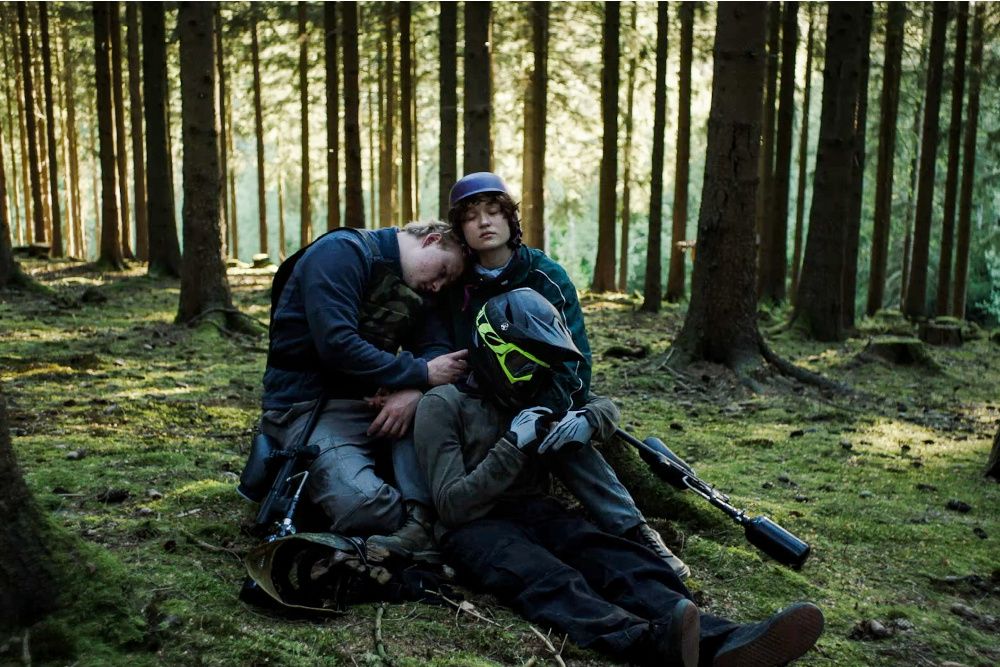
The film “Oasis” is more than just a cinematic experience; it is a stark confrontation with the complex realities of adolescence and the search for belonging. At its heart lies a scene that remains hauntingly unforgettable, a moment that strips away the artifice of storytelling and forces the viewer to confront raw, uncomfortable truths.
In the heart of the forest, three teenagers are depicted in a moment of profound, unsettling intimacy. Unclothed, they stand close to one another, their bodies bearing the visible marks of conflict—gently caressing the wounds they have inflicted upon each other. This is the climax of the narrative, a visual representation of the devastating, often unspoken, dynamics of youth.
The visual intensity of this scene operates on two distinct levels. On one hand, it evokes the romanticized, yet dangerous, sensibility of a Grimms Brothers fairytale—a story of innocence twisted by harsh experience. On the other hand, it serves as an unflinching, all-too-real vision of modern-day youth grappling with severe personal and emotional crises.
“Oasis” skillfully navigates this duality, allowing the audience to oscillate between the mythic and the mundane, highlighting how deeply internal struggles manifest in the external world. The film uses this powerful image not merely for shock value, but to explore the vulnerability, pain, and desperate need for connection that defines the contemporary experience of young people.
It forces a critical conversation about the nature of pain, the boundaries of relationships, and the search for solace amidst internal turmoil. This climactic moment transcends the narrative structure, becoming a potent metaphor for the fractured state of the modern psyche. It asks us to look past surface narratives and acknowledge the complex, often painful, emotional landscape of growing up.
Buy on Amazon
Credit