Hiddleston and Dafoe explore the Everest summit story
The Unsung Ascent: Tenzing Norgay and the Myth of Everest
The story of conquering Mount Everest is often told through the lens of grand expeditions and celebrated figures. But behind the triumphant narrative of the 1953 summit lies a deeper, often overlooked chapter: the journey of Tenzing Norgay, the gifted Himalayan climber, and the vital, yet frequently sidelined, role of the Sherpa people.
This is the little-known tale of how two men, Tenzing Norgay and Edmund Hillary, navigated the brutal heights of the world to achieve a feat previously thought impossible. While films have chronicled the tragedy and disaster of scaling Everest, few have truly illuminated the true story of Tenzing’s integral role in that legendary achievement.
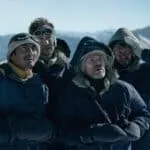
A new cinematic focus, featuring Tenzing, shifts the spotlight onto the man who stood on the precipice. It offers an old-fashioned underdog narrative, shedding light on Norgay’s part in the historic ascent and emphasizing the sheer grit required to reach the peak.
The film opens by capturing the youthful ambition of Tenzing as he meets George Mallory on the Tibetan Plateau in 1924. It is a moment steeped in the desire to conquer Chomolungma, or Holy Mother, a dream shared by those who sought the highest summits on Earth.
The narrative then jumps forward to 1953, when the historic expedition was underway. Tenzing, acting as head Sherpa, faced a complex dynamic—a blend of respect and challenge. He sought acceptance not only from the British expedition but also from the native Sherpas who worked on the mountain, who often viewed him as an outsider.
Through the story, we see Tenzing’s unwavering professionalism and hope as he navigated the perilous environment. His experiences climbing multiple times granted him a unique standing, yet they did not erase the inherent difficulties of scaling the mountain, which demanded immense physical and mental fortitude.
The film delves into the personal cost of this ambition, showing Tenzing’s life before and during the expedition. We see the bonds he formed, including his relationship with his wife, and the profound fear that shadowed every ascent. These moments provide crucial context, revealing the depth of Tenzing’s personal stakes beyond the physical challenge of the climb.
The story also provides a nuanced look at the social dynamics of the time. While the narrative emphasizes the unified human achievement of the summit, it subtly touches upon the systemic challenges faced by the Nepalese and Sherpa communities, highlighting how skill often superseded prejudice.
The production, directed by Jennifer Peedom, brings a stunning visual quality to this history. It paints a picture of achievement, yet it asks us to reflect on the true weight of the journey—the physical toll, the risks, and the often-unseen contributions of those who make the impossible possible.
Ultimately, Tenzing is a visually impressive and moving tribute that gives Tenzing Norgay and the Sherpa people their due, ensuring that the true heroes of the Everest story are finally given their full recognition.
Buy on Amazon
Credit