Hitchcock’s Rule: Always Make The Audience Suffer
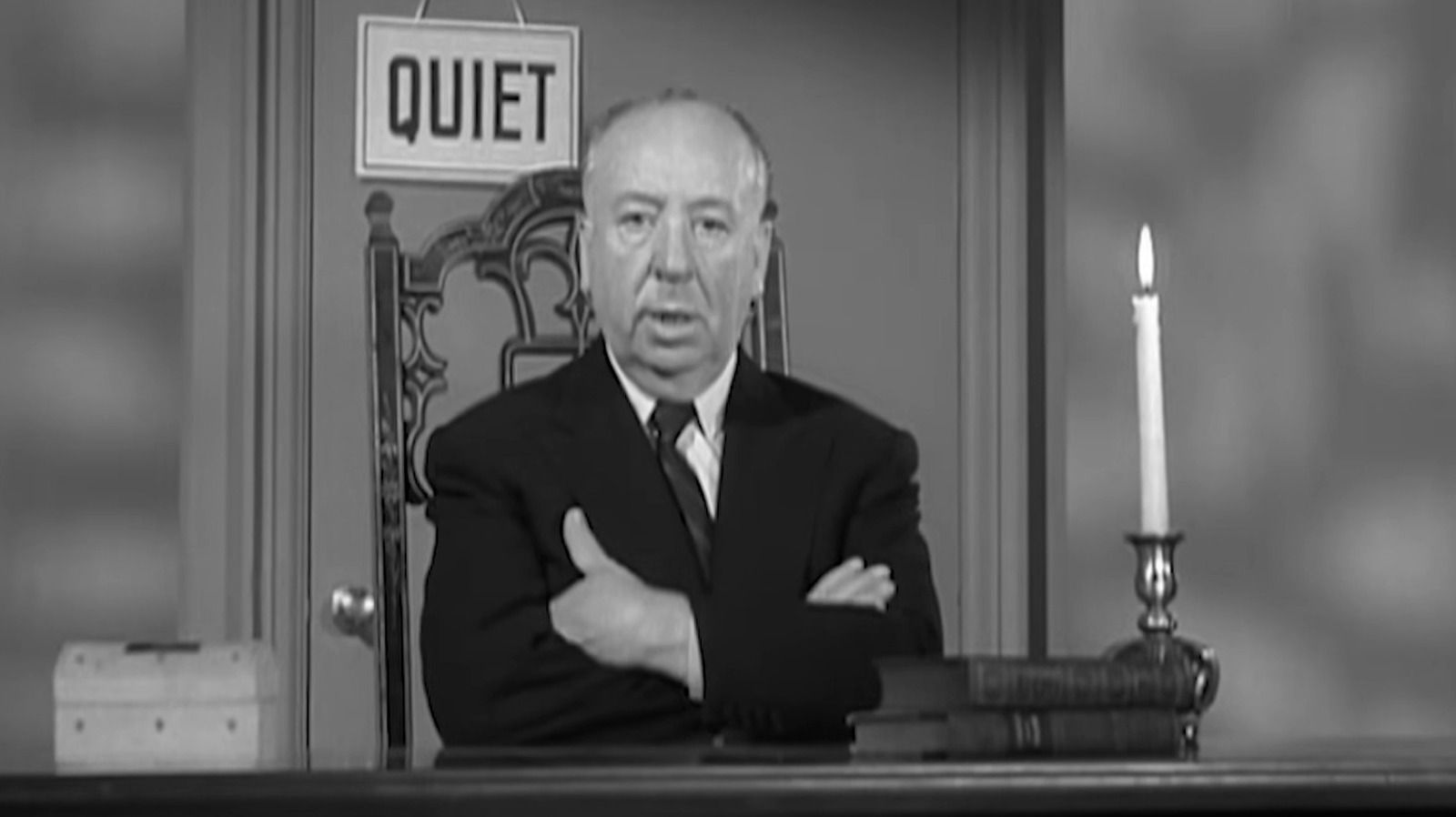
The Art of Anticipation: Alfred Hitchcock and the Master of Suspense
In the vast and often dizzying landscape of cinema, some names transcend mere acting or direction; they become foundational pillars of storytelling. Few figures embody this status quite like Alfred Hitchcock, the legendary filmmaker who didn’t just tell stories—he engineered experiences. He is widely recognized as the Master of Suspense, a title that perfectly encapsulates his unique and masterful approach to crafting tension on screen.
Hitchcock’s genius lay not in simply showing events, but in manipulating the audience’s perception of those events. His films were intricate psychological puzzles, where the true drama often resided not in what was seen, but in what was withheld. He understood that suspense is a delicate alchemy, requiring a precise balance between foreshadowing, visual framing, and the careful control of pacing.
His technique elevated cinema beyond mere entertainment into an art form focused on the human psyche. By utilizing carefully constructed scenarios, subtle camera movements, and a deep understanding of human vulnerability, Hitchcock taught the world how to build tension brick by painstaking brick. He demonstrated that true fear is often more potent than overt violence, thriving in the fertile ground of anticipation and uncertainty.
The enduring legacy of the Master of Suspense lies in his ability to make the audience complicit in the unfolding drama. Every scene, every glance, and every carefully timed silence became charged with unspoken meaning. This commitment to psychological depth ensured that his works continue to resonate decades later, offering a timeless meditation on human anxiety, morality, and the inescapable nature of fate.
Hitchcock’s work remains a vital lesson in narrative construction. It reminds us that the most thrilling stories are those where the audience is invited into the darkness, holding their breath until the moment of revelation. His films are not just historical artifacts; they are masterclasses in creating emotional momentum and maintaining exquisite tension.
Buy on Amazon
Credit
