HIV invisibility in American media GLAAD report
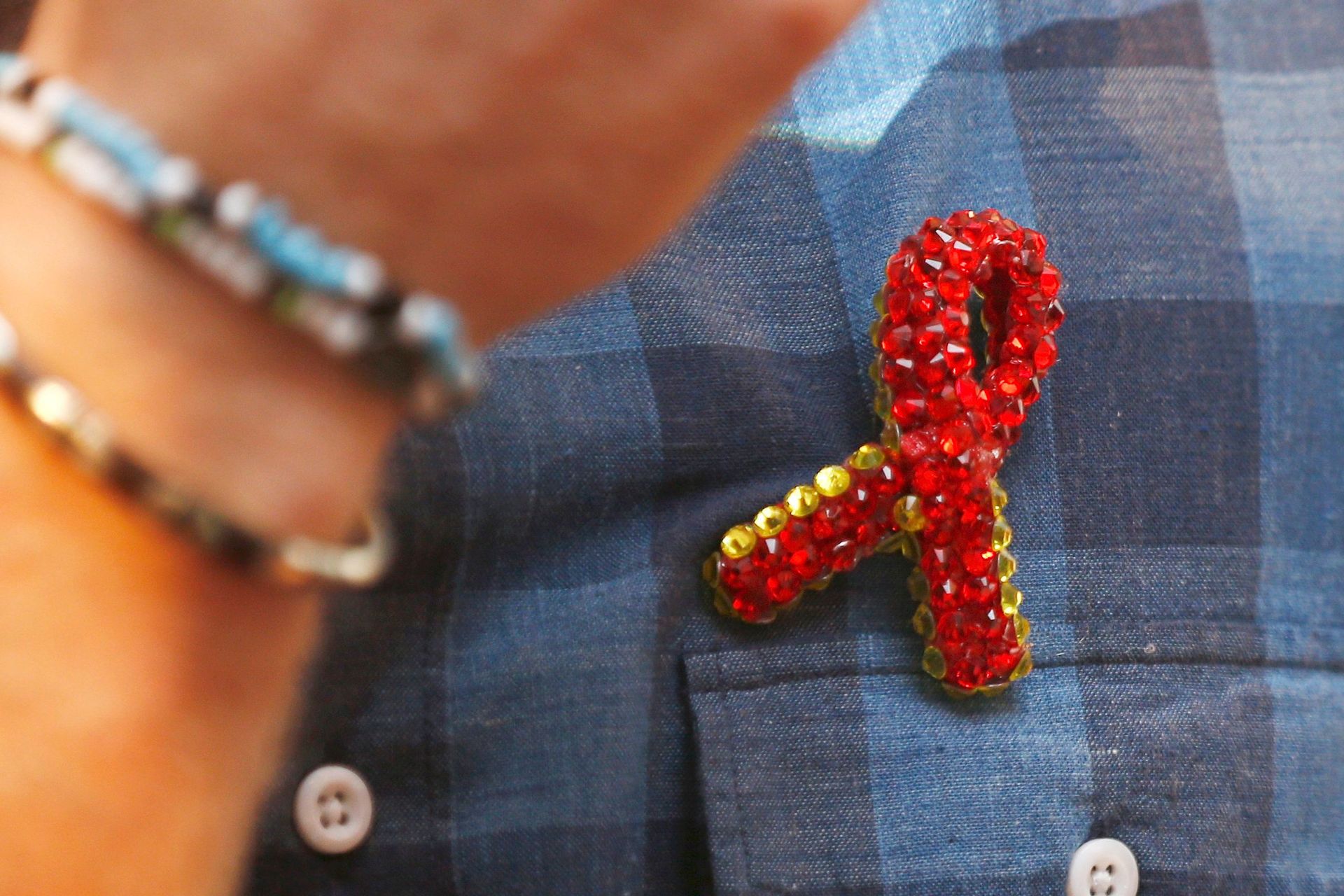
The conversation around HIV and stigma often occurs behind closed doors, yet a significant disconnect exists between the reality of the epidemic and how it is portrayed in the public sphere. A recent report by GLAAD highlights this glaring gap, revealing that the media landscape has not adequately reflected the lived experiences of people living with HIV.
In its sixth annual State of HIV Stigma report, GLAAD found that most Americans report a noticeable absence of authentic stories about people living with HIV in the media. This finding suggests that while awareness efforts are ongoing, the public narrative remains largely unseen.
The statistics paint a clear picture of this underrepresentation. GLAAD found that 72% of Americans report they have not seen stories featuring real people living with HIV over the past twelve months. This figure underscores a serious issue: the lack of visibility in mainstream media limits public understanding and contributes to persistent societal stigma.
Media representation plays a crucial role in shaping public perception. When stories about HIV are scarce or stereotypical, it reinforces misconceptions and makes it difficult for the community to be seen as complex, multifaceted individuals. Effective public health advocacy requires more than just awareness; it demands honest, human-centered storytelling.
GLAAD’s report serves as a powerful call to action for media outlets and content creators. It emphasizes the need to move beyond sensationalism and cultivate narratives that celebrate the resilience, diversity, and everyday lives of people living with HIV. Only through authentic representation can the stigma surrounding HIV be effectively dismantled.
Buy on Amazon
Credit
