Iconic Characters Recast in Major Films
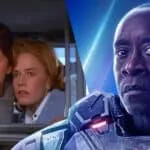
The world of cinema is a fascinating place, often shaped by shifting timelines, evolving creative visions, and, most surprisingly, the constant process of casting changes. While some franchises embrace tradition, others treat recasting as an expected, if sometimes bewildering, part of the creative process. From beloved action epics to deep-cut television, actors and roles frequently get shuffled around, leading to some truly memorable shifts.
These character changes aren’t isolated incidents; they are often the result of directorial demands, timeline adjustments, or simply the evolving needs of the story itself. Whether it’s a major franchise or a standalone movie, the decision to bring a new face to a familiar role often sparks as much discussion as the film itself.
Take the world of time travel, for instance. In Back to the Future Part II, the characters faced a significant overhaul. Jennifer Parker was recast from Claudia Wells to Elizabeth Shue, a switch that was so profound it necessitated re-shooting crucial flashback scenes to ensure everything made perfect sense.
Meanwhile, even classic movie settings saw changes. In the wild world of Teenage Mutant Ninja Turtles, April O’Neil saw a change in hands. Played initially by Judith Hoag, the role was later taken by Paige Turco. The shift, though perhaps not immediately obvious to audiences, was rooted in creative disagreements, as the original actress had voiced strong opinions about the film’s treatment of the stunt crew and scheduling.
The complexities multiply when we look at cinematic universes. The Terminator saga, with its multiple timelines, provided fertile ground for recasting. Characters like John Connor cycled through actors—from Edward Furlong to Nick Stahl, and eventually Christian Bale and Jason Clarke—allowing the narrative to accommodate different ages and historical contexts for the character across various timelines. This gave the series the flexibility to adapt to the shifting realities of the story.
Similarly, the dynamic tension in the X-Men franchise also led to casting shifts. Sabretooth, Victor Creed, moved from Tyler Mane to Liev Schreiber. Mane sought the role back, but the filmmakers opted for an actor perceived as a more believable relative of Wolverine, a choice that ultimately allowed the character to evolve in subsequent installments like Logan.
Even the titans of the superhero genre saw changes. In the Iron Man series, the role of James Rhodes, or War Machine, transitioned from Terrence Howard to Don Cheadle. This switch reportedly stemmed from a disagreement over salary demands, illustrating how behind-the-scenes negotiations can directly influence which actors land in major roles.
These instances remind us that film production is a balancing act. Whether adjusting for external pressures, accommodating timeline shifts, or navigating contract negotiations, character recasting is a dynamic feature that ensures the stories we love continue to evolve, one frame at a time.
Buy on Amazon
Credit
