Japan film funds build new financing models
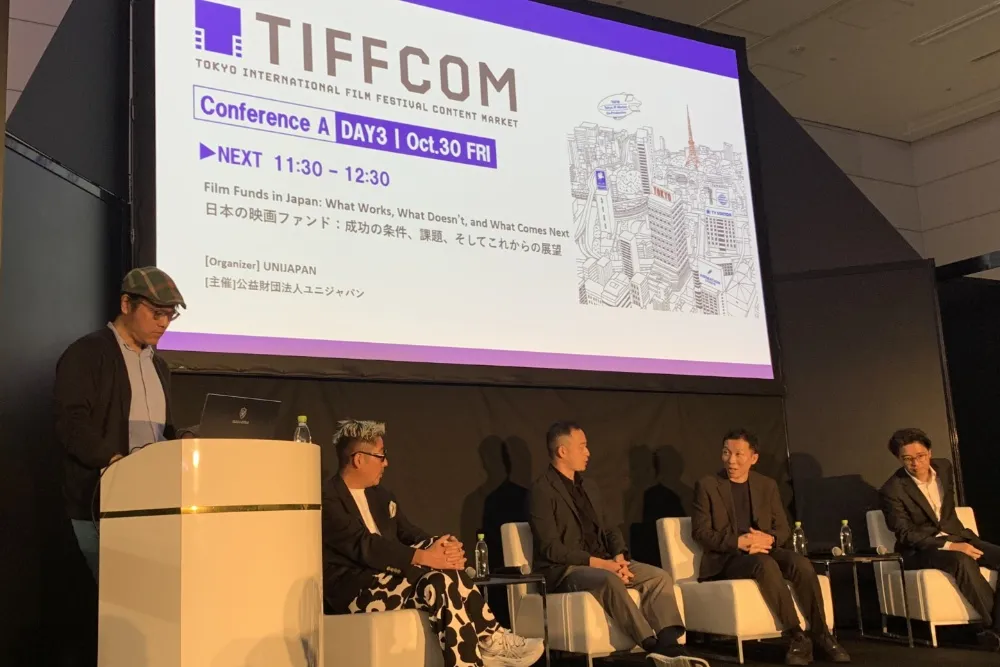
The structure of how creative works are financed and distributed often dictates their success, and Japan’s approach to filmmaking offers a fascinating case study in balancing industry cooperation with global opportunity.
At the heart of this system is the production committee model, where a collective of companies pools resources to finance a film and jointly share its resulting rights. This collaborative approach is designed to achieve a crucial goal: spreading the financial risk across the entire industry, creating a more stable and shared environment for creative endeavors.
While this framework successfully mitigates the financial risks often faced by individual production houses, the structure comes with inherent limitations. Critics point out that this model can inadvertently cap the potential budgets of projects, restricting funding to the scale that the collective industry can collectively raise.
This constraint, intended to ensure stability, introduces friction when looking at broader international investment. For overseas investors keen to participate in the lucrative global film market, this centralized structure can present significant hurdles. The requirement for unanimous decisions among all rights holders inevitably slows down the process and makes the decision-making process complex and protracted.
In an era where global collaboration is increasingly valued, the tension between fostering domestic stability and maximizing external investment highlights a key dilemma facing the system. Finding the right equilibrium—one that maintains industry coherence while remaining open to the dynamic flow of international capital—is the ongoing challenge for Japan’s production committee system.
Buy on Amazon
Credit