John Waters: I’ve always been a les bro
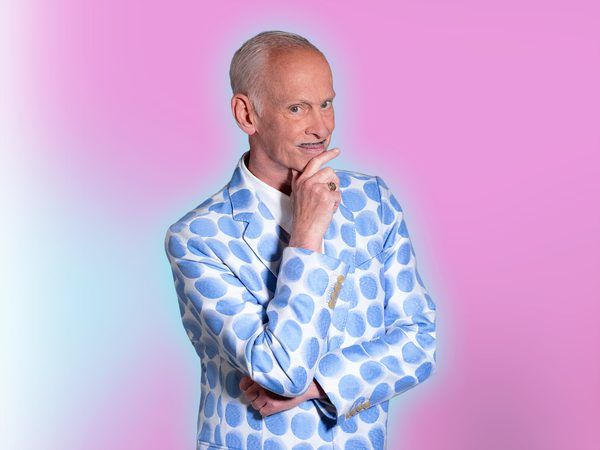
There is a certain kind of chaos that defines John Waters’ cinema. It’s a world built on glorious transgression, and recently, that universe has been beautifully polished by high-definition restoration, particularly with the addition of classics like Hairspray and Desperate Living to the Criterion Collection.
In a recent conversation reflecting on these cinematic treasures, Waters navigated the complexities of his work, grappling with how reinterpretation affects an artist’s vision. When discussing Hairspray, the exuberant 1988 dance comedy—which he considered his greatest mainstream triumph—Waters reflected on whether returning to the original through restoration changed the experience after decades of seeing the story retold.
He insisted that the core remains the same. Regardless of poor local versions or theatrical adaptations, the essential characters endure. Waters posited that the film’s success lies in its deviance; it’s a Trojan Horse because no one complains about the sheer audacity of it. He noted how Pink Flamingos, his more shocking works, have wormed their way into the mainstream, proving that even outrageousness can be accepted today.
The restoration process brought out new details in both films. While Waters championed the cinematic quality achieved by Criterion, he found a particular level of detail in Desperate Living—the 1977 antifascist fairytale of queer rebellion—that was previously unseen. He felt that the added clarity revealed production design and costume details from figures like Van Smith and Vincent Peranio that were entirely new.
The philosophical difference between the two films is striking. Hairspray presented a utopian vision where social progress regarding race, weight, and equality seemed possible. In contrast, Desperate Living leaned toward a more misanthropic view, capturing a world where everyone is compromised. Waters saw these as two poles of thinking about the world, yet he ultimately stood by both—optimistic in life, even if his darkest film was his angriest.
The authenticity of Hairspray was deeply rooted in its setting. Waters recalled making dances with real people who were part of a local Baltimore show that served as their version of American Bandstand. The goal was to ensure the dances felt authentic to the era, reflecting the early 1960s and creating a historical pocket where real-life cultural influences could be seen.
The casting reflected this focus on authenticity. Waters highlighted the brilliant choice of Debbie Harry and Sonny Bono, noting how their existing public personas—Sonny Bono’s knowledge of the era and Debbie Harry’s connection to the music scene—helped bring the characters to life. He also paid tribute to Chris Mason, the visionary behind much of the hair design, emphasizing that her work brought a unique and scarily beautiful sensibility.
Waters’ identity as a “les bro” was inextricably linked to his creative choices. He explained how connections with queer communities, such as those who helped start ACT UP, influenced his perspective. The creation of films like Desperate Living, which carried the title inspired by a local lesbian bar in Baltimore called Sappho’s, cemented this connection between his life and his art.
Ultimately, Waters suggested that while some artistic ideals might be impossible to realize—like the depiction of reality in Salò—the shock value of films like Pink Flamingos endures. He concluded with an enduring optimism: even if one views history through a darker lens, there is still room for joy, making Hairspray and Desperate Living powerful reflections on the human condition.
Buy on Amazon
Credit