K-Pop Demon Hunters 2 hits cinemas
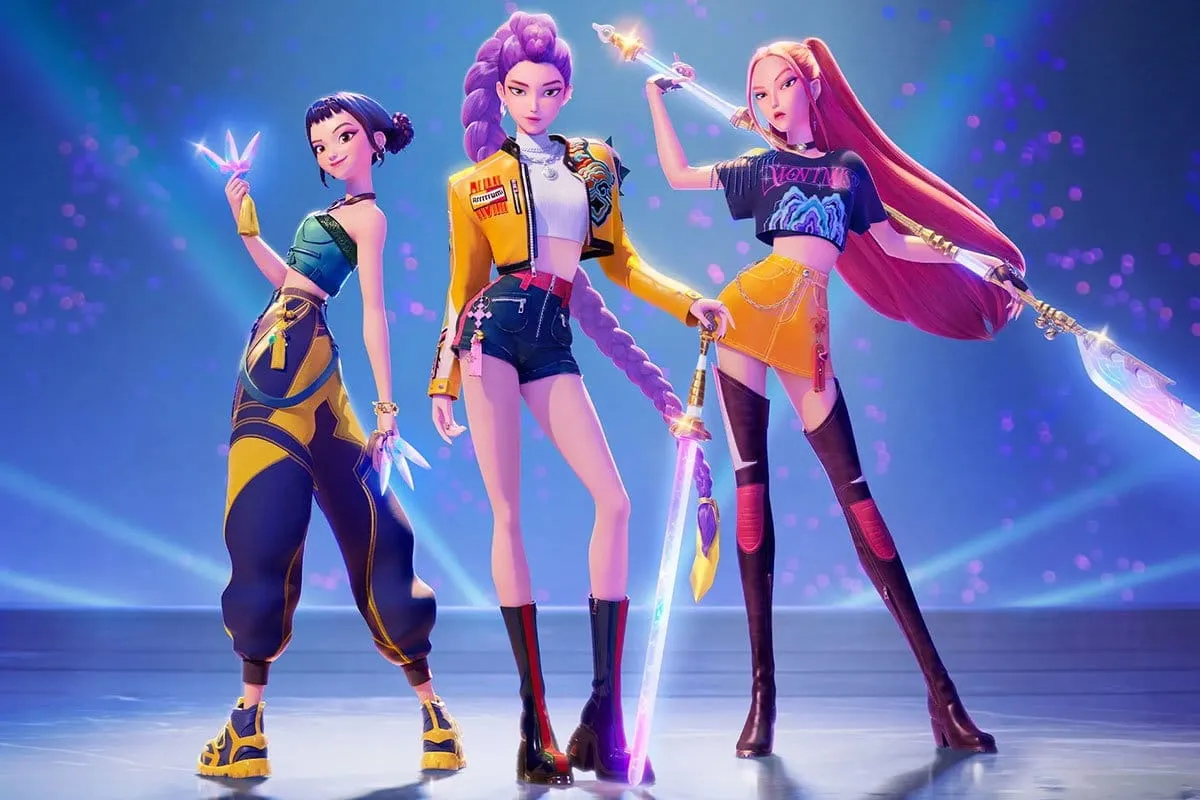
The cinematic universe of Netflix is proving that when you hit the cultural jackpot, the sequels are inevitable. This trend is clearly visible in the announcement concerning the next installment of the animated musical urban fantasy sensation, K-Pop: Demon Hunters.
Netflix CEO Ted Sarandos recently confirmed that the sequel is set to receive a big, broad, global theatrical release when it arrives in 2029. This move signals a significant shift in how the streaming giant approaches its biggest hits, blending the comfort of streaming dominance with the prestige of the cinema experience.
The original film had already established itself as a true phenomenon. Released in 2025, the animated musical urban fantasy became the most-watched original title in Netflix history, accumulating over 325 million views in just three months. Beyond its massive viewership, the film enjoyed significant critical acclaim, earning awards like Best Animated Feature and Best Original Song (“Golden”) at the Oscars and Golden Globes.
It was a true multimedia triumph, boasting a soundtrack that captivated audiences, with four songs from the film simultaneously reaching the top ten of the Billboard Hot 100. This success positioned the franchise as a true pop culture juggernaut, making the announcement of a sequel a natural progression rather than a surprise.
However, the decision behind the release strategy has sparked more compelling discussion. The core question facing the industry is whether Netflix will stick to its established streaming-first model or embrace a theatrical debut for marquee properties. As the platform has begun experimenting with giving multiple upcoming films exclusive theatrical windows, this strategic pivot has become increasingly pertinent.
Sarandos elaborated on the company’s philosophy, indicating a preference for a theatrical release for major spectacles, particularly those with broad appeal. He noted that this strategy is more advantageous for big four-quad releases, while art house titles might benefit more from a direct streaming debut.
This balance is already being demonstrated. Last year alone, Netflix placed over 30 movies in cinemas for various periods, keeping some titles on the big screen after their streaming launch, including Guillermo del Toro’s Frankenstein, which enjoyed a six-month run.
Netflix is using theatrical releases to maximize the impact of its most successful content, ensuring that massive cultural moments receive the cinematic attention they deserve. For a franchise like K-Pop: Demon Hunters, this strategy promises to deliver a truly epic, world-class experience to the global audience in 2029.
Buy on Amazon
Credit