Kore-eda on why he never films crying children and master lessons
The world of cinema is often shaped by the choices of its auteurs, those visionary directors who bend reality into compelling narratives. Few directors command the attention of the public quite like the Japanese master Kore-eda Hirokazu, whose films are celebrated for their exquisite sensitivity and the profoundly natural performances delivered by child actors.
Kore-eda’s unique cinematic language often delves into the complex, unspoken emotional lives of his characters. Yet, when discussing the delicate subject of portraying childhood vulnerability, the director has drawn a firm, almost absolute line in the sand regarding what he will and will not put on screen.
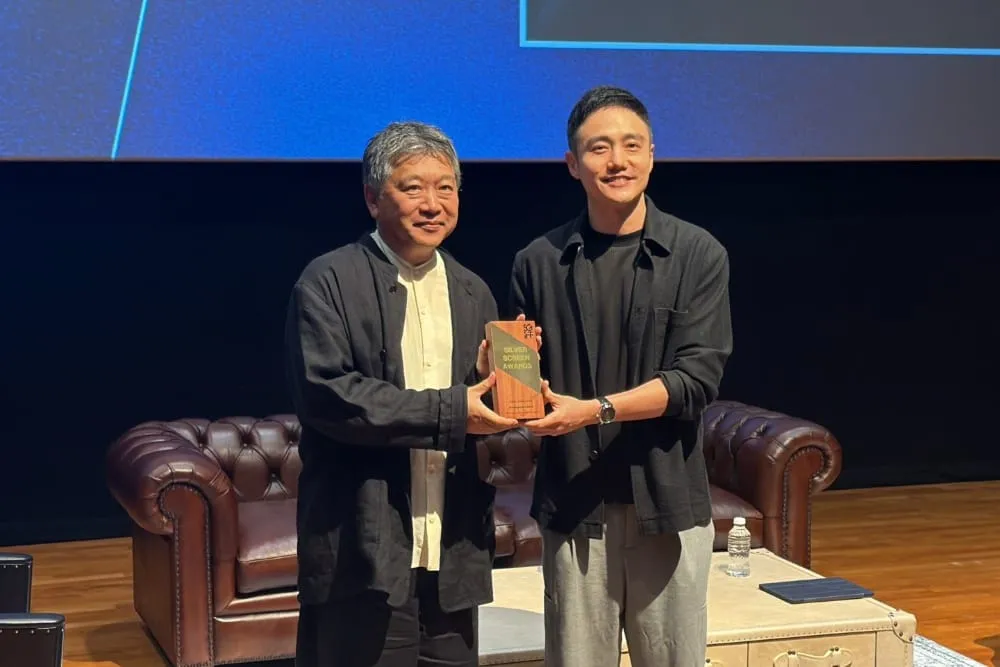
At a recent In Conversation event, Kore-eda addressed this boundary, revealing a deeply personal artistic decision that shapes his storytelling. He stated emphatically that there is one specific element he has decided never to film: a child crying.
When pressed on why such a seemingly small detail holds such significance, Kore-eda offered a candid explanation. He clarified that the decision was not born out of inability or difficulty, but rather a deliberate act of artistic refusal. “It’s not that I can’t, or that it’s difficult. I don’t shoot it,” the Japanese director told the audience.
This statement underscores a powerful philosophy: the director’s vision supersedes the need for photorealistic depiction. By consciously choosing to omit the sound and spectacle of a child’s tears, Kore-eda moves beyond simple observation into the realm of intentional storytelling, using silence and suggestion to elicit deeper emotional responses from the viewer.
It is this refusal—this conscious decision to withhold the visual narrative of pain—that elevates his work. It transforms the act of filming from mere documentation into a nuanced exploration of innocence, resilience, and the unspoken truths that linger just beneath the surface of cinematic representation.
Buy on Amazon
Credit