Lawmakers fight foreign digital piracy with new laws
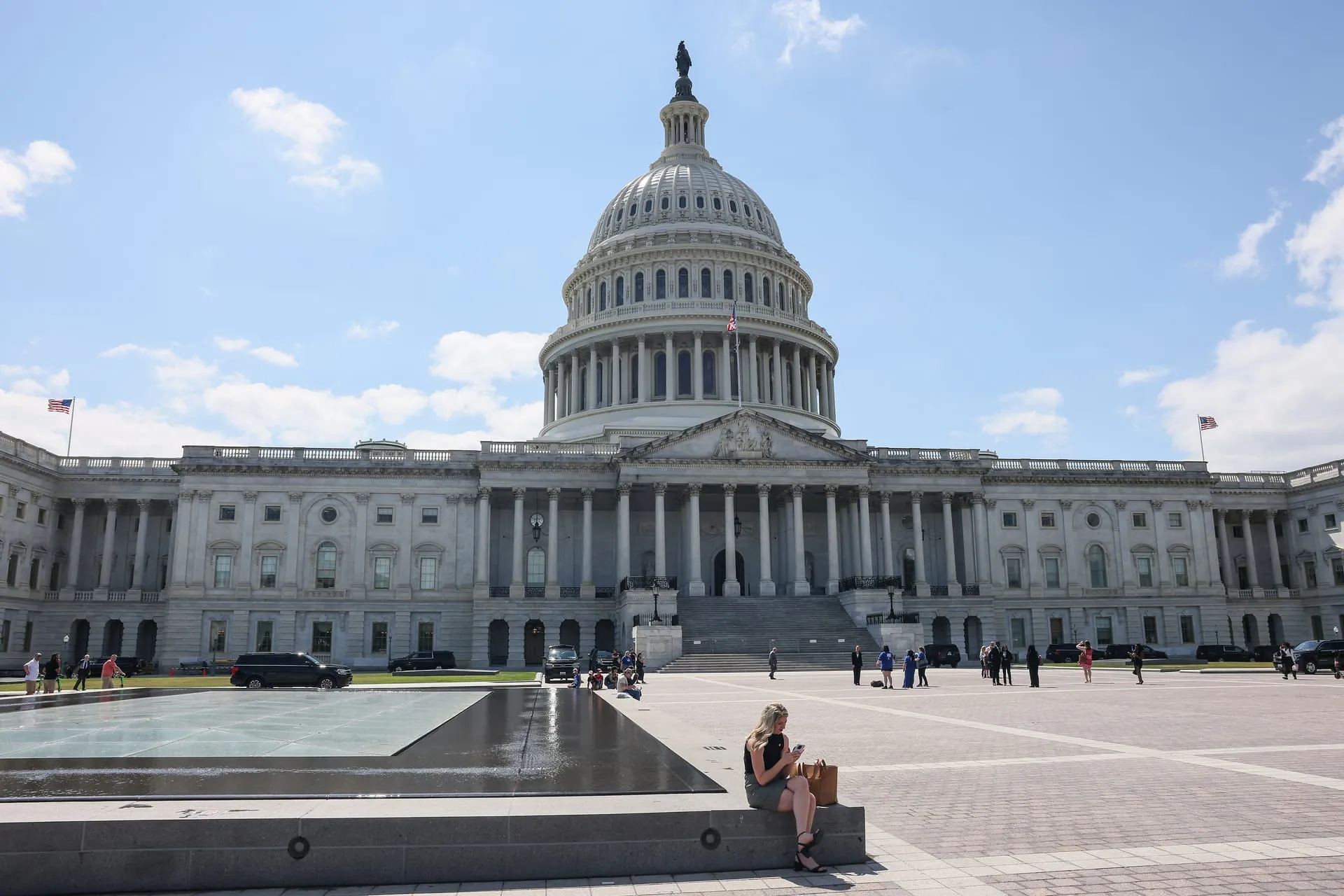
The battle against digital piracy is heating up in Washington, as lawmakers once again focus their attention on introducing major anti-piracy legislation aimed at protecting intellectual property. This legislative push seeks to establish a more direct and powerful mechanism for content owners to combat the global spread of illegal digital copying.
The proposed legislation introduces a significant shift in legal strategy. Instead of relying solely on existing copyright frameworks, the new bill empowers content owners to pursue court orders directly against internet service providers. This mechanism would allow content holders to demand that ISPs actively prevent their customers from accessing foreign digital piracy websites.
At the heart of this effort is the Deterring Extraterritorial Foreign Exploitation of Networks Damaging Intellectual Property, or DEFEND IP Act. This proposed act aims to address the extraterritorial nature of digital piracy, recognizing that the exploitation of networks by foreign entities directly damages the intellectual property rights of domestic creators and businesses.
The concept is straightforward yet revolutionary: it places the onus on internet providers to act as gatekeepers. By granting content owners the ability to seek legal remedies against network operators, the bill seeks to change the dynamic from reactive enforcement to proactive network management.
This move signals a growing consensus among legislators that current anti-piracy measures are insufficient against sophisticated international digital crime. It is a call for policy that acknowledges the interconnectedness of the internet and the need for robust, cross-border enforcement.
The goal is to create a framework where technology is leveraged not just to monitor piracy, but to actively stop it at the source by restricting access to infringing content. This initiative underscores the ongoing struggle to balance free access to information with the essential protection of creative and intellectual property rights in the digital age.
Buy on Amazon
Credit