Learn from the visuals of Little Odyssey
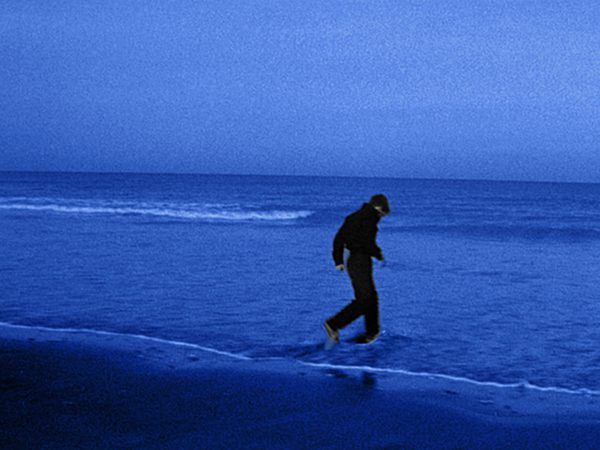
It is often said that the greatest epics are those we tell about, but perhaps the most profound stories are those we watch unfold through a child’s eyes. Rather than asking blockbuster films to deliver the nuance we demand, there is a certain power in observing how children navigate their own quests, discovering a world shaped by the cold indifference or complex morality of the adults around them.
This cinematic movement, the “Little Odysseys,” positions the journeying child not merely as an innocent spectator, but as a moral test of the adult world. It explores how these young protagonists confront spaces they are in but do not necessarily belong to, navigating forces they cannot always comprehend.
The foundation of this vision was laid by masters of neo-realism, such as François Truffaut. In his 1959 masterpiece, The 400 Blows, the character Antoine embodies a kind of anti-Odysseus. He is portrayed as morally “like a wolf – outside society,” continually ignored or disciplined by the adult world. This exclusion drives him to reject home, transforming his personal journey into a potent expression of moral poetry.
This theme of exclusion is echoed across the screen. In works like those of Italian neo-realism, the child is often situated as a victim of societal neglect, continually forgotten or disciplined. The adult world, in these narratives, operates with a seemingly cold indifference, forcing the child to face its fringes.
Later filmmakers have explored this dynamic through the lens of social pressure and inner experience. Abbas Kiarostami’s Where is the Friend’s House? confronts us with the harsh reality of adult power structures. Like the young Ahmad, who attempts to seek help, the film highlights the adult inability to hear pleas for assistance, reflecting our own positions of authority.
Similarly, in films like Jafar Panahi’s The Mirror, the experience of youth is saturated with the social undercurrents of the age. The lead character, Mina, must intuit her way through the complex realities of her environment, allowing the camera to trace the social pressures that make obstacles feel larger and stranger than they appear.
The alienation of these young leads becomes the root of a profound moral challenge. Filmmakers use the child’s experience to reflect on our complicity. When adults interact with or ignore these children, they become avatars for the viewer, forcing us to confront the extent of our power and responsibility. The world is not just a setting for the child’s journey; it is the moral landscape they must traverse.
The visual scale of these narratives often underscores this point. Theodoros Angelopoulos’s Landscape in The Mist visualizes this tension with brutal grit. As children run through desolate, shifting landscapes, they encounter both kindness and violence, exploring a Greece that is simultaneously desolate and intensely real.
Wim Wenders, in Alice in the Cities, demonstrated how the world unfolds when an adult centers the narrative. Young Alice, lost but guided by mystical authority, undertakes a journey that feels grand and luminous. The film uses vast settings to position the child against a world that is slowly being revealed, ultimately suggesting that the journey is about measuring the specific world that bounds them.
Ultimately, the Little Odysseys challenge us to listen to the frequencies of the margins. By framing the child’s movement through the spaces of adult society, these films reveal the moral shape of the world, pushing at the walls and demanding that we see the profound, often unsettling, truths hiding in plain sight.
Buy on Amazon
Credit
