Lee Chang-dong questions his right to tell their story
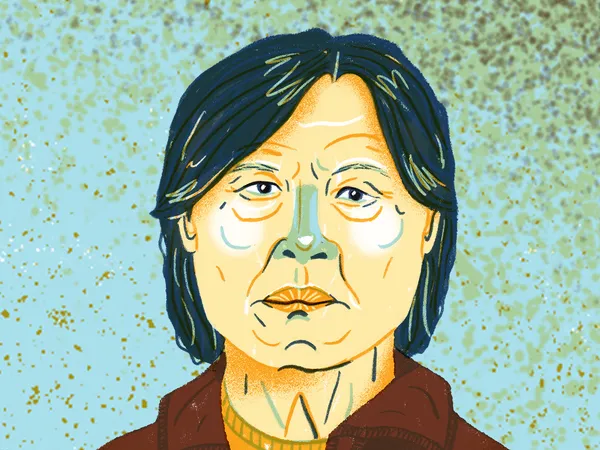
The master of Korean cinema, Lee Chang-dong, has once again turned his gaze onto the complex interplay of class, capitalism, and the intimate quest to love, exploring these themes in his latest work, Possible Love.
While Lee is known for making films only when he is perfectly ready, this new project builds upon the emotional landscape of his previous work, Burning. It is a profound cinematic journey that uses the framework of two married couples navigating the stark divisions of social and economic reality, compelling them to collaborate on a documentary project.
The film operates as a deep dive into how social status shapes identity. As asked about the connection between performance and class, Lee suggests that people often adopt the roles society assigns them. However, true identity is forged in the awareness of one’s specific role, particularly for laborers. He posits that expertise—like welding or any specific trade—provides a vital sense of self-awareness. When the definition of work weakens, and individuals lose their defined roles, their sense of self can diminish, underscoring the power of societal structure over personal identity.
When tackling the vast gap between social classes, the director consciously chose not to make the conflict the central dramatic focus. He notes that the disparity is so immense that it feels almost irreconcilable, driven by the extreme power wealth holds over those who struggle. Instead of focusing on the fault line, the film aims to explore the possibility of equality—the idea that through sheer willpower and the pursuit of freedom, such divides can be transcended.
Lee’s approach to storytelling also reveals a skepticism toward pure documentary truth. He argues that while documentary filmmaking captures reality, he seeks narrative forms—films, novels, and creative works—as a means to achieve greater intimacy with reality. For him, the goal is to make films as immediate to experience as possible, moving beyond mere factual representation into the realm of genuine human pain.
The narrative is anchored by the presence of a young character named Cheol, who embodies a transcendent, innocent perspective. By giving Cheol a perspective that differs from his peers, Lee aimed to capture the viewer’s gaze on the events unfolding. This innocence connects the story to broader philosophical ideas, echoing the transcendent viewpoint found in works like Decalog.
A particularly moving moment in the film involves a scene where a character is reminded of a childhood experience while tending to plants, highlighting a profound, often unspoken, link between generations and the sacred nature of labor. This moment underscores the generational transmission of experience—the weight of history passed down—and hints at the unspoken connections that exist among those who work within a shared structure.
Ultimately, the conversation returns to the director’s core question: Am I worthy of telling their story? Lee admits that this question is almost pathological, reflecting a lifelong struggle to determine if he has the right to voice the struggles of the marginalized. It is this persistent interrogation of self and subject that fuels his artistic drive, ensuring that his work remains a powerful exploration of human experience and social reality.
Buy on Amazon
Credit