Levi and Neeson can’t salvage the convoluted script
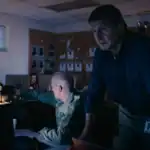
The lure of the impossible score is often the most potent driver for those who have nothing left to lose. This is the core tension at the heart of The Fix”>The Fix, a film that casts a spotlight not on espionage, but on the aftermath of war.
The story follows a group of disgraced, war-torn ex-CIA operators who, having failed in their service, seek redemption—or perhaps just excitement—by attempting a life-changing score in Tehran. They trade the ghosts of Afghanistan for the dangerous allure of a high-stakes gamble, driven by a desperate need to reclaim some sense of purpose.
But the quest for adrenaline quickly devolves into a complicated mess. The narrative places these mercenaries in precarious situations, forcing them to confront the sheer absurdity of their mission. The strangest element? Their motivations are often driven by flawed decisions, and the very idea of this operation seems to rely more on coincidence than calculated strategy.
At the center of this chaotic endeavor are the leads. Zachary Levi portrays Tucker, a man defined solely by military experience, while Liam Neeson steps in as Larry, a higher-up grappling with profound personal issues, including suffering from dementia. The dynamic between them is intentionally strange—a group of highly trained operators, some battling memory and others navigating moral grey zones, attempting a stunt that, by all accounts, feels rather foolish.
The film attempts to weave a compelling thriller, yet it struggles under the weight of its own convoluted plotting. While the technical aspects of the production are generally competent, the script falters, often prioritizing bewildering twists over genuine dramatic weight. The stakes are introduced through jarring, seemingly random cutaways, rather than through believable consequences, leaving the audience constantly questioning the gravity of the situation.
The film asks the audience to invest in characters whose decisions often seem more rooted in poor writing than sound logic. The frustration arises when seemingly illogical choices dictate the fate of the group, leading to a narrative that feels more like a series of twists than a cohesive experience.
The supporting cast, including Zara, adds another layer of complexity. Her presence, while visually striking, often serves as an intentional distraction that further complicates the already tenuous stakes, underscoring the film’s struggle to establish genuine consequence for its characters.
Ultimately, The Fix”>The Fix presents a fascinating, if frustrating, exploration of post-war disillusionment. It proves that even when wrapped in high-octane action, a story can be undermined by a script that sacrifices grounded reality for convoluted spectacle. It’s a film that leaves you pondering not just the plot, but the very nature of risk and regret.
Buy on Amazon
Credit
