Lilly Wachowski & Scott Glosserman’s iHunt action
When Survival is a Gig: How iHunt is Weaponizing Horror to Critique Capitalism
What happens when you blend supernatural monster hunting with the very real, grinding pressures of the gig economy? The answer is iHunt: Killing Monsters in the Gig Economy, a feature film adaptation that promises to be far more than just a horror-comedy. This unique project brings the fantastical into the harsh realities of late-stage capitalism, asking whether true freedom exists when survival depends on accepting any available contract.
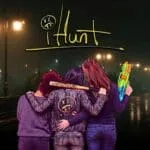
The world of iHunt, developed over a decade by writers Olivia Hill and Filamena Young, exists in the fictional California city of San Jenaro. Here, a trio of best friends navigates the terrifying task of monster-hunting using a gig-work application. It is a premise that perfectly juxtaposes the absurd chaos of supernatural threats with the mundane, yet agonizing, pressures of modern economic life.
At the heart of the story is a sharp socioeconomic commentary. As one of the creators put it, the concept uses the conventions of horror not just for entertainment, but as an amazing tool to explore genuinely frightening problems. The film suggests that the illusion of choice is often the scariest monster of all when you are struggling to make ends meet, whether it’s fighting Dracula or fighting eviction.
Behind the lens, director Scott Glosserman, known for his work on Behind the Mask: The Rise of Leslie Vernon, is tasked with bringing this irreverent vision to the screen. He was drawn to the script for its ability to explore the paradox of freedom: what does it truly mean to be free when you cannot afford to say no?
The project is brought to life by a stellar team. Lilly Wachowski and Scott Glosserman are executive producers, joining the creative fray alongside Sarah Marie Flores and Lawrence Mattis. The film is produced by a dedicated group, including Matt Skrobalak and Stirling Matheson, ensuring that the ambitious vision is grounded in professional execution.
Beyond the feature film, the iHunt universe is expanding rapidly. The creators have developed a television pilot, following a different crew of broke hunters who face a monster infestation while navigating hospital work and the scrutiny of an ancient vampire executive. This pilot is attached to Anne Cofell Saunders, who is slated to serve as showrunner, promising an even deeper dive into the supernatural and economic struggle.
Furthermore, the franchise has branched into other formats, including iHunt: A Night in the Life, a vertical series that shifts the focus, showing a struggling hunter figuring out that the real money is in content creation by livestreaming her monster hunts. With a film, a TV pilot, and a compelling spin-off already in development, iHunt is successfully demonstrating how genre storytelling can tackle pressing contemporary issues while delivering pure, unadulterated entertainment.
Buy on Amazon
Credit
