Lucas’s choice: Yes to AI no to fan feedback
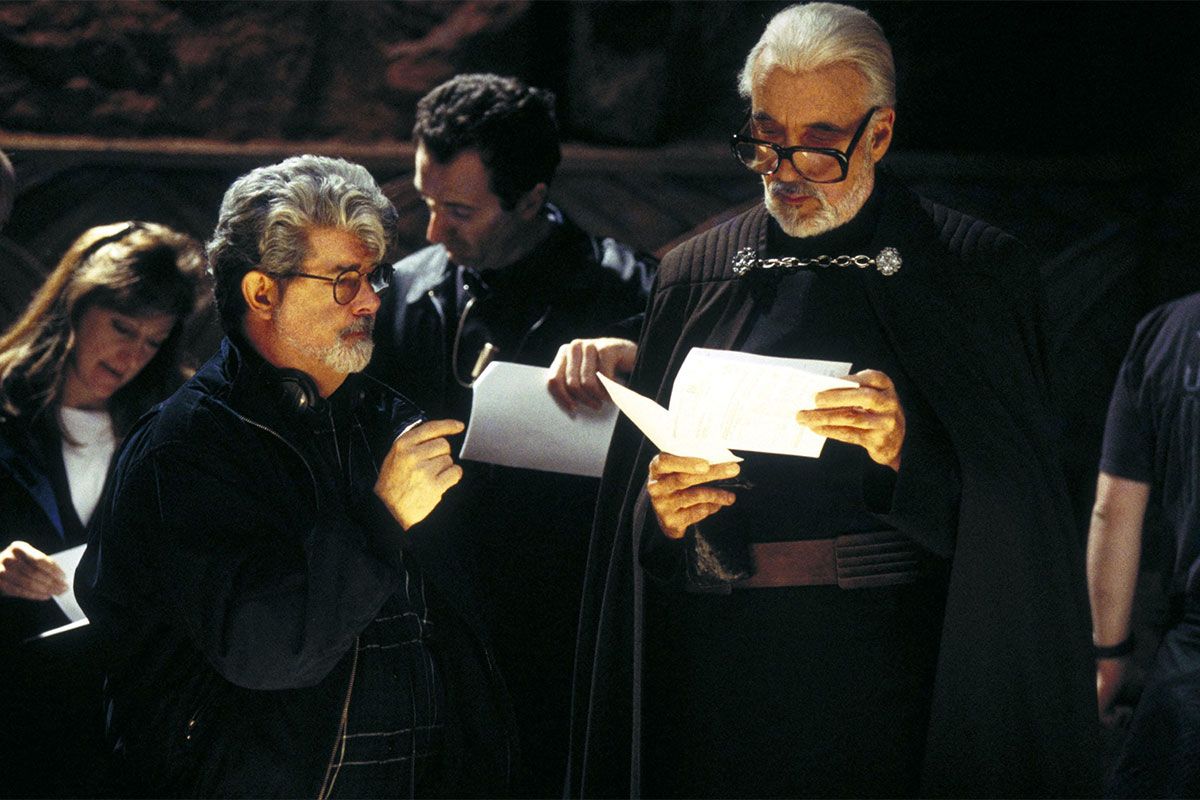
George Lucas, the visionary behind the original Star Wars saga, is no longer just celebrating cinematic history; he’s actively challenging the very trajectory of filmmaking. In a recent interview, the 82-year-old director shared some decidedly blunt opinions on where the industry is heading, touching on topics that have predictably stirred controversy.
One of the most pressing subjects Lucas addresses is the burgeoning role of artificial intelligence in creative production. Rather than resisting this technological shift, he enthusiastically embraces it, arguing that AI represents pure progress.
“Artificial intelligence means it’s much easier for us to make movies,” Lucas explained. “It’s like realizing that while we used to rely on horse and buggy, now we see that machines are evolving into tanks—and we have to accept the future. If you want AI that can determine if something is fake or where it originated, AI is the tool for the job. It’s just like real life.”
He posits that this technology allows for objective truth in filmmaking. Lucas suggests that humans are too biased to determine what is true and that AI provides a necessary external measure of reality, emphasizing the human responsibility involved in creation.
Beyond the tools of production, Lucas delivered a sharp critique aimed at the established studio system’s reliance on methods like focus groups and fan feedback. He argued these techniques are detrimental to the actual creative process.
“The audience doesn’t know what they want to see,” he stated. “If they dislike a character, as filmmakers, we need to understand why. When studios rely solely on this kind of input, they end up hearing the wrong message. You make a movie by finding someone who knows how to tell a story and is passionate about it, not just following what the fans dictate.”
Lucas balances his critical stance with deep trust in his peer group, citing friends like Martin Scorsese, Francis Ford Coppola, and Steven Spielberg. He noted that shared history provides an essential understanding of each other’s biases and perspectives—a far more valuable source than mass focus groups.
This perspective touches upon the complex relationship between creators and audiences, a dynamic Lucas has navigated throughout his career. He reflected on the historical pushback surrounding the Star Wars prequels. When initial audience reactions to characters like Jar Jar Binks or C-3PO caused outcry, Lucas faced intense criticism.
He acknowledged that the expectations of viewers change over time. What was once met with strong negative reaction—whether it was the desire to remove certain elements from a children’s film or complaints about specific characters—has evolved as audiences mature and grow with the narrative. Lucas found that ultimately, the nature of storytelling remains fundamentally consistent.
As his most recent cinematic endeavor involves projects like The Mandalorian, which is set for release on July 21st on PVOD platforms, the conversation surrounding creation—be it through new technology or traditional collaborative methods—remains incredibly relevant and deeply engaging.
Credit
