Mark Ruffalo Slams ParaBros Merger “Bad Deal”
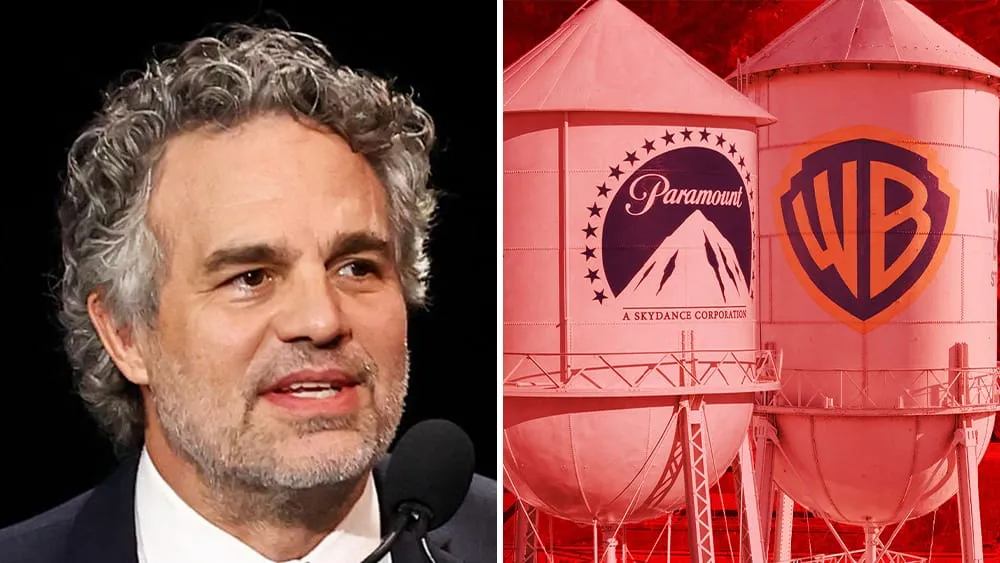
The Cost of Consolidation: Hollywood’s Billion-Dollar Battle for the Soul of Creativity
The world of Hollywood is constantly evolving, driven by massive deals and seismic shifts in corporate ownership. When the behemoths of media merge, the resulting shakeup promises new efficiencies but often sparks fierce debate about the very nature of art and freedom. The recent $111 billion merger between Paramount and Warner Bros. Discovery is a perfect example of this tension, pitting immense financial ambition against artistic concerns.
Amidst this colossal corporate maneuver, a familiar voice of creative dissent emerged, offering a stark assessment of what consolidation means for the creative ecosystem. Mark Ruffalo, the actor known for his roles in the Marvel Cinematic Universe, quickly stepped into the spotlight, arguing passionately that the deal poses serious threats to the creative spirit of the industry.
Ruffalo is not just another celebrity offering an opinion; he represents a segment of the creative community that views these high-stakes business decisions through the lens of cultural impact. His response underscored a deep-seated concern that the pursuit of profit might inadvertently erode the very freedoms that allow great stories to be told.
When the dust settled on the merger deal this week, Ruffalo did not hold back. He publicly declared that the consolidation risks stifling creativity, weakening free speech, and ultimately costing people their jobs. His commentary reframed the merger not merely as a financial transaction, but as a significant cultural event with profound consequences for storytelling and independent voices.
The underlying argument touches upon a classic conflict: the tension between corporate strategy and artistic integrity. While large-scale mergers aim to create powerful, streamlined entities, critics worry that this streamlining can lead to homogenized content and a reduction in the diversity of creative expression.
Ruffalo’s powerful statement served as a rallying cry, reminding observers that behind every billion-dollar deal are human stories and creative futures that are at stake. His intervention brought the focus from quarterly reports to the fundamental issues of freedom and artistic expression that define the creative landscape.
The conversation sparked by his reaction highlights a broader industry debate: how do we balance the demands of a global market with the essential need to protect the spaces where innovation and independent thought thrive? The response to this monumental merger is clearly not just about stock prices, but about the enduring soul of cinema and television.
Buy on Amazon
Credit