Mars first look visuals and notes
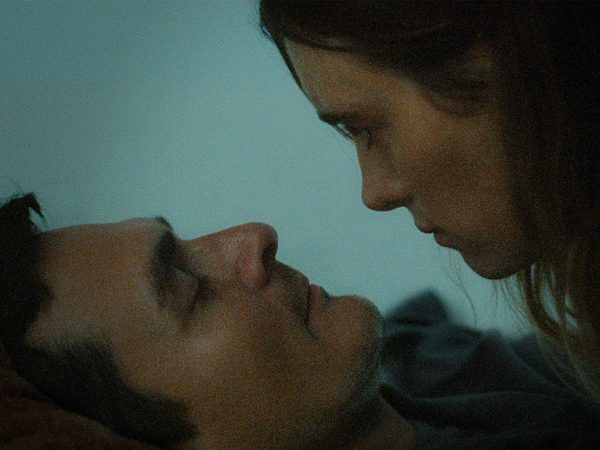
When you look toward the stars, what do you see? For Lili Horvát’s English-language debut, My Notes on Mars, the film doesn’t offer a standard cosmic spectacle; instead, it delivers a stark, deeply unsettling reflection on the gap between our boundless curiosity for the alien and our frustrating inability to understand each other.
At its heart, the movie is a study in constructed dread. The opening sequence immediately establishes this atmosphere, contrasting the cold, grey geometry of a granite pool against the vibrant green of surrounding nature. The water whispers in a rhythm that mirrors the wind, setting an instant, simmering unease for the audience. This feeling of something subtly amiss permeates the relationship between the central characters, a husband and wife, a father and daughter, locked together in a familiarity that feels meticulously stilted by a profound sense of dread.
We follow Margot, portrayed with captivating assurance by Mackenzie Davis, a gifted astrophysicist who trades the prestige of MIT for a life reset in the remote Hungarian countryside. But this pursuit of peace is quickly derailed by the complicated reality of her husband, Sam (Rupert Friend). While Sam attempts to present a façade of affection, the film peels back the layers to reveal a man consumed by resentment, desperately seeking control over his wife.
The central tension escalates when Margot vanishes during a challenging hike Sam engineered. Sam’s subsequent grief quickly morphs into something far more sinister. When Margot reappears unharmed at her husband’s memorial, the dynamic shifts dramatically. Her return is a puzzle—she is void of memory regarding their life together, filled instead with a strange, urgent need to destroy her research on Mars and a yearning for a mysterious young student from her past.
Horvát uses this existential predicament to explore a darker thesis. The narrative steers far away from the action-packed frenzy of typical space epics, opting instead for a muted, Central European sensitivity. The film suggests that the deep mystery of extraterrestrial life mirrors the frustration we feel in understanding the mysteries of our own kind. Margot, therefore, becomes more than just a wife; she is the impossible planet that Sam yearns to possess, a utility that exists only in the realm of his bitter frustration.
Davis carries this duality brilliantly. Whether playing the Margot of before, who meticulously observes the world in numbers, or the Margot of after, who stares ahead, eager for the unpredictable, the actress communicates an unshakeable inquisitiveness. This contrast is perfectly mirrored by Friend, who navigates his husband’s frustration with a palpable sense of being perpetually one step behind.
Ultimately, Horvát takes this potent emotional landscape and plants a seed in the barren fields, tying the characters’ complex allegories with undeniable earnestness. My Notes on Mars is less about distant galaxies and more about the intricate, often unsettling, topography of human desire and the profound solitude we share on this fragile planet.
Buy on Amazon
Credit
