McDonagh on his hitman past and his critique of ‘Wild Horse Nine’
Challenging the Silence: Martin McDonagh on the Politics of Cinema
In the realm of filmmaking, where artistic expression is often debated as a matter of pure craft, some creators choose instead to wield their work as a political weapon. This is the stance Martin McDonagh is embracing with his latest project, Wild Horse Nine.
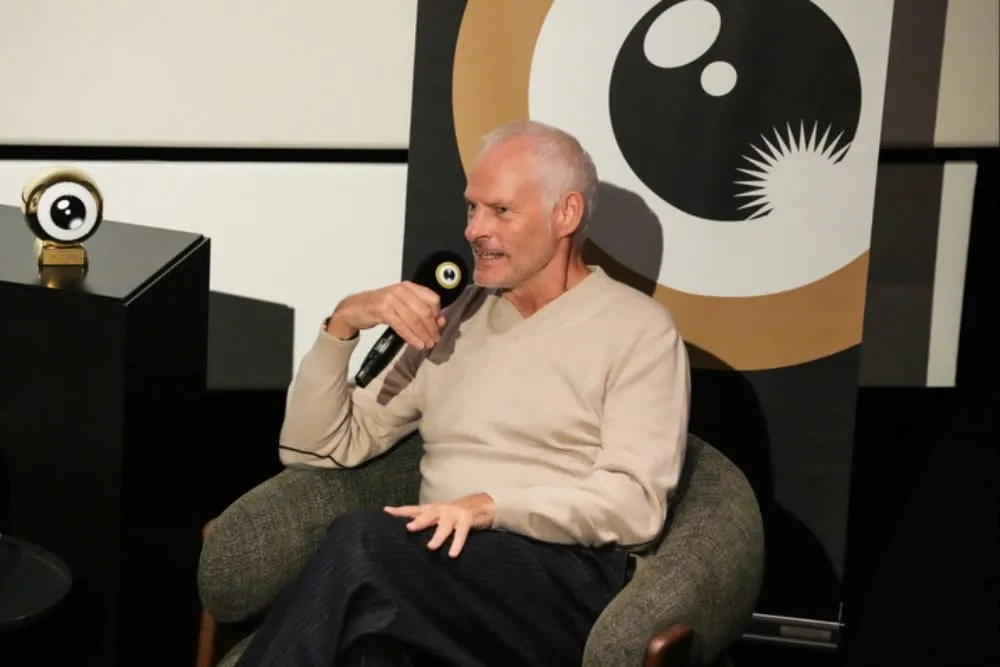
Speaking at the Zurich Film Festival, McDonagh didn’t shy away from the controversy surrounding his work; he embraced it. He described the experience of bringing the film to the public as an exciting act of rebellion, suggesting that the very act of releasing this “monster” into the world is inherently political.
“This is probably my most political film,” McDonagh remarked. He framed the film not merely as a narrative exercise, but as a deliberate intervention into contemporary discourse. For him, the film serves as a necessary pushback against what he perceives as an excessive artistic neutrality that currently governs much of modern cinema.
McDonagh’s perspective suggests a growing tension between the pursuit of pure art and the obligation of art to engage with the real world. He feels that in the modern landscape, there is perhaps a reluctance among creators to infuse their work with the kind of challenging, critical energy that can spark genuine conversation.
By taking a deliberately political course, McDonagh is asserting that cinema has a responsibility beyond aesthetic perfection. It must reflect the complex, often uncomfortable realities of the world, rather than existing in an insulated bubble of pure form.
His excitement about the release of Wild Horse Nine stems from this desire to break through that neutrality. It is a statement that art should not simply observe society, but actively participate in the dialogue, forcing audiences to confront the issues that matter.
Buy on Amazon
Credit