
Meet the Director of the Edinburgh Film Festival 2026
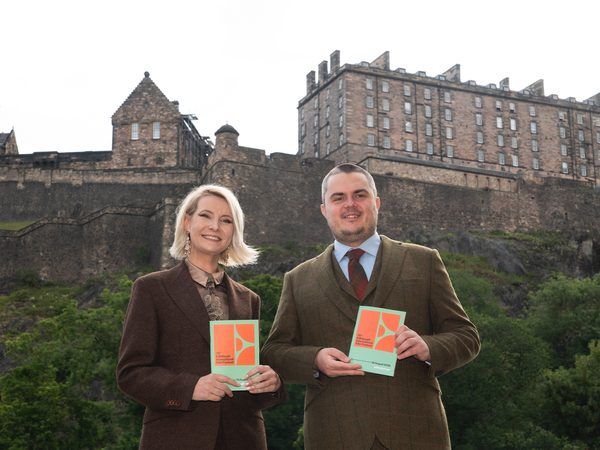
The job of a Festival Director, Paul Ridd reflects, is less about curation and more about balancing an ancient legacy with a thrilling leap into the future. As he steps back from the celebrations of the Edinburgh International Film Festival’s 79th year, he points to the powerful alchemy that happens when history meets innovation.
Ridd finds his perspective shaped by a fascinating tension: the subjective lens of personal taste versus the objective need to imagine an audience. He recalls seeing Christopher Nolan’s The Odyssey twice. The first viewing was steeped in resistance, colored by personal expectations and inherited critical debates—a dynamic that sometimes clouds judgment. But the second time, he realized the power lay not in judging the film against Homer, but in seeing it purely on its own terms as a modern reimagining. This experience taught him a vital lesson: true vision requires setting aside personal resistance to see what the work is truly trying to achieve.
This duality—personal instinct and collective vision—is central to Ridd’s approach at the festival. He emphasizes that the role is fundamentally collaborative, built on dynamic conversations with programmers, team members, and the wider community. While his personal taste brings a unique experience to the table, the real magic emerges when different perspectives merge.
The challenge for any leader of the EIFF is to honour over 70 years of history while actively shaping what cinema will look like next. It is this balancing act that defines the Festival Director’s task: understanding what must be preserved and what must be built anew.
One of the most vital forward-looking goals for the festival involves pushing for world premieres. Ridd believes the festival must do more than just show films; it must create a genuine market, providing filmmakers with crucial opportunities to find distribution, travel, and reach audiences far beyond the festival itself. It is about turning discovery into opportunity.
The true engine of this mission lies in creating connections. Festivals succeed when they act as powerful levellers—bringing together an emerging filmmaker alongside a veteran artist, or an audience member next to a producer, sparking conversations that simply wouldn’t happen otherwise. This is where the magic happens: when shared experiences ignite dialogue across the industry.
The festival experience extends far beyond the August screenings. It is a year-round commitment involving development, partnerships, networking, and nurturing relationships. The presence of extraordinary guests, from Gaspar Noé and Alex Garland to Kenneth Branagh and Ewan McGregor, ensures that the festival remains a vibrant ecosystem where ideas collide.
Ultimately, what Ridd cherishes most about his work is witnessing that moment when a connection is made—when an audience reacts, questions arise, and people leave inspired, challenged, or simply changed. It is this shared energy, woven through the history of Edinburgh and the incredible community of filmmakers, that proves the worth of the festival. It is about honouring the past while boldly creating something new for the future of cinema.
Credit