Miami Vice Final Cut Causes Stir
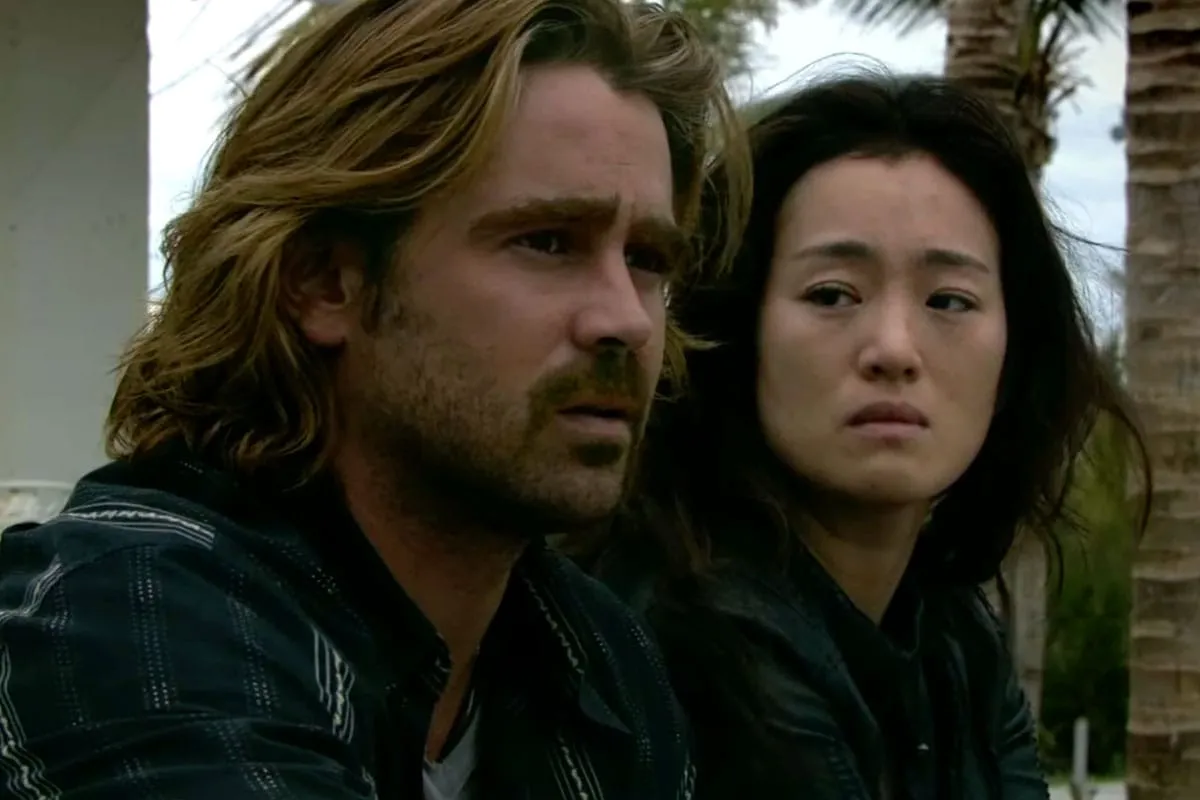
When filmmaker Michael Mann took the stage at Beyond Fest in Los Angeles last night, he didn’t just present a film; he offered up a cinematic experiment. He unveiled his new version of Miami Vice: Director’s Final Cut, sending ripples through the world of retro-noir and sparking a flurry of intense debate about the legacy of the iconic series.
This isn’t just a simple re-edit. The new take fundamentally reworks Mann’s 2006 film, shifting the aesthetic away from the sun-drenched pastels and sports cars of the original, opting instead for a much darker, grittier sensibility. While the original theatrical cut managed to gross a respectable $164 million worldwide, the new iteration is less about commercial success and more about artistic revision.
To fully explore his vision, Mann released an ‘Unrated Director’s Cut,’ which extended the runtime by seven minutes. This extended version introduced significant changes, including an altered opening sequence, swapping the familiar nightclub scene for a high-octane speedboat race, and incorporating several new scenes and re-orderings.
The buzz surrounding this version is as intense as the cuts themselves. Fans have long followed the original film as a cult classic, and now they are eager to dissect the director’s latest tinkering. The reaction online has been wonderfully, spectacularly divisive, with chatter centering heavily on the narrative shifts, particularly the conclusion.
The most striking alterations involve the film’s closing moments. In this new version, the dramatic fallout that followed the original—such as the raid on Montoya’s compound and key hospital scenes—has been entirely removed. Furthermore, beloved sequences, like Nonpoint’s cover of Phil Collins’ “In the Air Tonight,” are completely absent, while other character moments are also gone. Instead, the film concludes with a stark visual of Isabella’s boat heading out to sea and Crockett standing alone by his car, followed by a sudden cut to black.
This dramatic shift has elicited polarized responses. Some viewers embraced the changes, suggesting the film was intentionally compromised and challenging, a response to the director’s journey. Others, however, expressed shock and disagreement with the altered ending, noting that while the director may have been seeking a “significantly recut final act,” the result left some viewers feeling profoundly unsettled.
Critics and fans continue to weigh in on the experiment. While some praised the smoothness and polishing of the new version, others felt the departure from the familiar structure lessened the appeal of the original. It seems that the real magic of Miami Vice lies not just in the iconic fashion and music, but in the enduring possibility of interpretation, ensuring that this Director’s Final Cut will remain a fascinating subject for discussion long after the credits roll.
Buy on Amazon
Credit