Mike Flanagan reveals the 3 changes in Carrie [Exclusive]
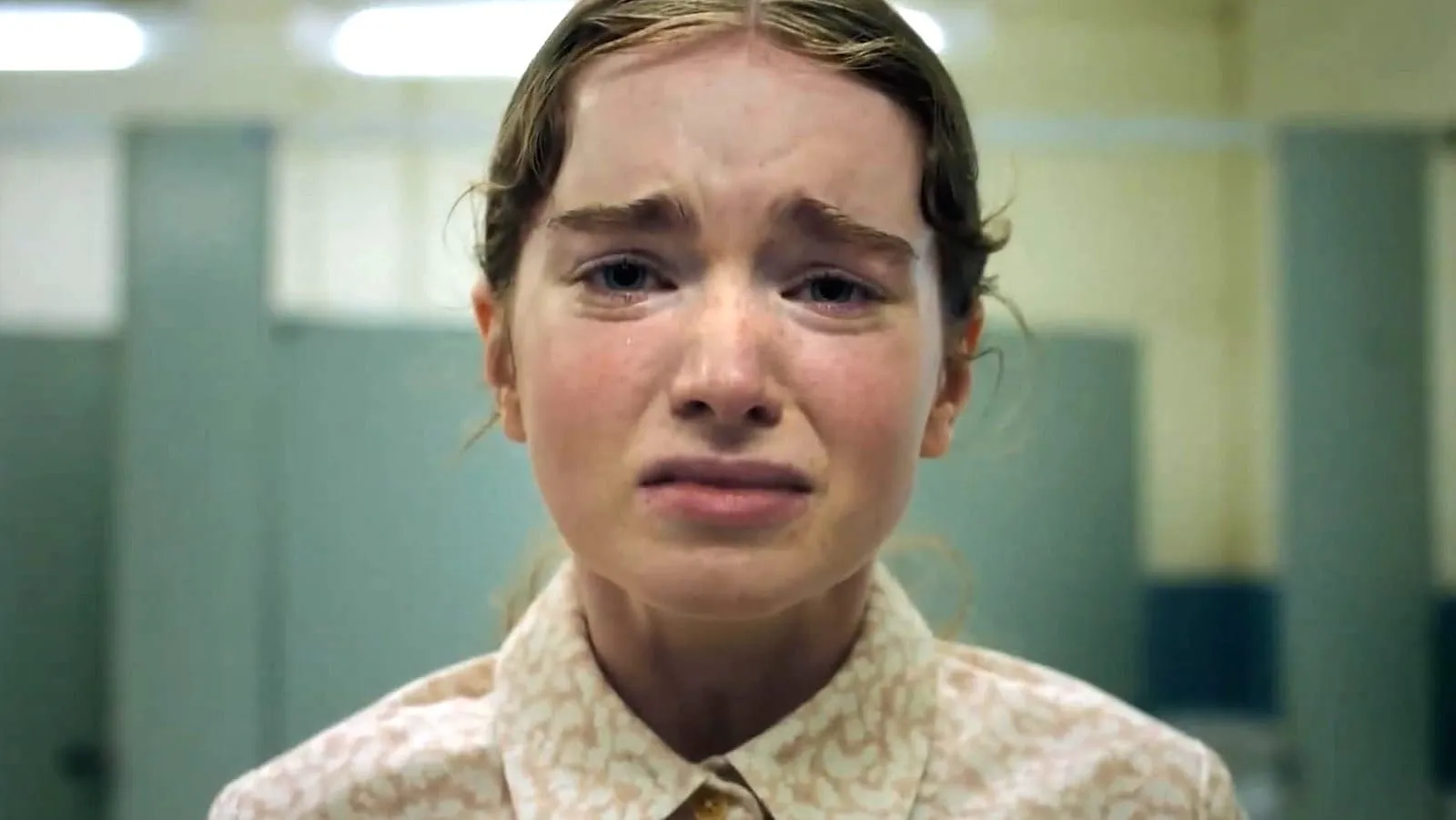
The Fire in the Classroom: How Mike Flanagan Reimagined Stephen King’s Carrie
When a story as steeped in adolescent tragedy and supernatural intensity as Stephen King’s debut novel, Carrie, meets the cinematic lens, the result is often a seismic shift. Mike Flanagan, known for his masterful exploration of trauma, grief, and the lingering shadows of the past, took this classic horror narrative and transformed it into a deeply unsettling and emotionally resonant Prime Video series. But more than just a visual adaptation, Flanagan’s vision brought a fresh, unflinching perspective to the story, revealing new dimensions of bullying, religious intolerance, and the devastating power of female rage.
The original novel established a stark, almost claustrophobic atmosphere, focusing intensely on Carrie White’s isolation and her explosive, terrifying abilities. However, Flanagan’s approach steered the narrative away from simple supernatural spectacle and anchored it firmly in the painful reality of high school life. Instead of solely focusing on the dramatic climax, the series delves into the slow, insidious mechanisms of cruelty that prepare the stage for the inevitable catastrophe.
One of the most compelling differences lies in the thematic focus. While King’s work often hints at external forces driving the tragedy, Flanagan zeroes in on the internal landscape of the characters. The series examines how social ostracization and the intense pressure of a rigid religious environment serve not merely as backdrop, but as active accelerators of Carrie’s profound suffering. This shift transforms the story from a tale of a freak occurrence into a devastating portrait of systemic injustice.
Flanagan expertly uses the framework of the high school setting to explore the complex dynamics of power. The series is less concerned with the mechanics of telekinesis and more preoccupied with the moral bankruptcy of the school system and the failure of those around Carrie to offer genuine compassion. The horror is not just in the events themselves, but in the agonizing realization that ordinary life can harbor unimaginable cruelty.
Furthermore, the portrayal of the religious and social pressures intensifies the sense of entrapment. The series explores how deeply ingrained dogma and social hierarchies intensify the isolation Carrie endures, making her final breakdown feel less like a spontaneous act of rage and more like a desperate, inevitable response to unbearable, suffocating constraints.
By focusing on the emotional fallout, the generational weight of trauma, and the systemic failures that enable abuse, Mike Flanagan successfully reimagines Carrie. He doesn’t simply tell the story of a girl with powers; he shows us the complex, heartbreaking consequences of being marginalized and broken within a system designed to enforce conformity. The resulting series is a powerful reminder that true horror often resides not in the supernatural, but in the deeply human capacity for pain and the relentless struggle for acceptance.
Buy on Amazon
Credit