MonsterVerse Movies Ranked Worst to Best
The MonsterVerse has done more than just reboot the tradition of Kaiju cinema; it has attempted a complete reinvention, transforming Godzilla and Kong into true Titans. This saga, spearheaded by Legendary Pictures and Warner Bros., has steadily grown in popularity, moving the genre into a new, spectacular territory. But as the franchise evolves, the question remains: which films truly define the MonsterVerse, and how do they stack up against each other?
Looking at the history of the MonsterVerse reveals a fascinating evolution. While the initial groundwork was laid with the atmospheric terror of Godzilla”>Godzilla (2014), the franchise has since shifted its focus, moving from grounded disaster thrillers to pure spectacle-driven monster adventures. The crowning achievement in terms of raw, personality-driven storytelling remains Kong: Skull Island”>Kong: Skull Island (2017), which managed to blend thrilling action with incredible character depth, setting a high bar for the entire universe.
The journey is marked by distinct styles. Godzilla”>Godzilla, directed by Gareth Edwards, aimed for a serious disaster thriller tone, utilizing immense scale and atmosphere. Yet, many found the film struggled to anchor its hero, Godzilla, resulting in a narrative that felt too slow. In contrast, Kong: Skull Island, directed by Jordan Vogt-Roberts, succeeded by focusing on heart, style, and a phenomenal ensemble cast, delivering an adventure that resonated deeply with audiences.
The franchise then dove headfirst into large-scale conflict with Godzilla: King of the Monsters (2019), where the focus shifted entirely to epic monster battles between Godzilla, Mothra, Rodan, and King Ghidorah. While this film offered incredible fan-service monster action, the sprawling shared universe setup often proved complicated, leading to mixed critical reception. Despite the box office challenges, the cinematic spectacle of these Titan clashes cemented the MonsterVerse’s identity as a powerhouse of action.
The most recent entries, particularly Godzilla x Kong: The New Empire (2024), have streamlined the narrative to focus almost exclusively on the Titans themselves. This shift prioritized pure monster spectacle, offering extended sequences dedicated to Kong’s adventures in the Hollow Earth. While this focus on action was undeniably crowd-pleasing, some felt the human storylines became overly thin, sacrificing emotional depth for sheer visual excitement.
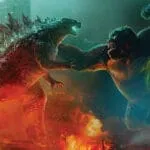
The crossover event, Godzilla vs. Kong (2021), directed by Adam Wingard, proved to be a massive success, delivering high-octane pacing and satisfying action. Bringing in an action-focused director allowed the franchise to revitalize excitement, making the clash between the giants into a truly unforgettable spectacle. It was a bright spot for audiences during challenging times, successfully reviving the excitement for theatrical blockbusters.
Ultimately, the MonsterVerse has successfully reinvented Kaiju cinema, demonstrating that the allure of these mythological monsters lies in their spectacle and their shared, epic journeys. From the emotionally rich foundation of Kong: Skull Island to the pure action of Godzilla x Kong: The New Empire, the franchise has proven that even the biggest monsters can deliver a powerful, evolving cinematic experience.
Buy on Amazon
Credit