Naza first look visuals
The history of conflict is often told through official records and carefully managed narratives, but sometimes, the truth demands a different kind of lens. Yuval Abraham and Rachel Szor’s documentary NAZA rips open this official silence, offering a stark, unflinching look at the civilian cost of the Israeli-Palestinian conflict through the eyes of former IDF operatives.
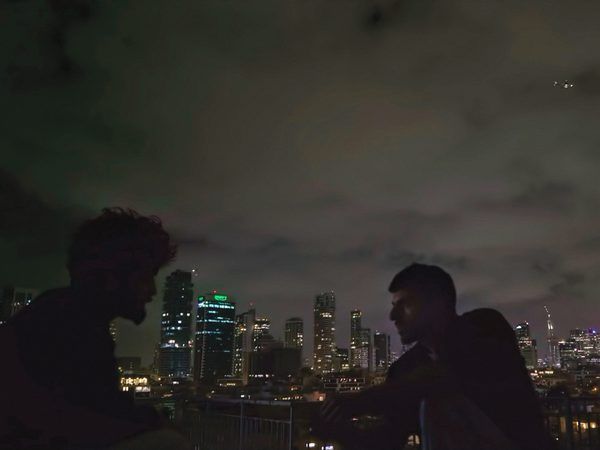
The film’s visual approach is deliberately unsettling. For most of the runtime, the audience is plunged into darkness. The voices heard, spoken from dimly lit rooftops in Tel Aviv, are digitally altered, and the faces of the former soldiers are obscured, ensuring that the focus remains entirely on the weight of the testimony rather than the individuals speaking it. This visual choice forces the viewer to confront the horrifying reality without the softening filter of traditional cinematic representation.
The title itself, NAZA, is an acronym used by Israeli military forces to denote potential civilian casualties from planned strikes. The film aggregates the devastating reality of these actions, putting into sharp focus the staggering statistic that over 76,000 Palestinians have been killed by Israeli attacks, a number that continues to climb daily.
While the visual presentation is stark, the narrative is rich with philosophical depth. Abraham and Szor engage with the legacy of great cinema, drawing inspiration from figures like Jonathan Glazer and Laura Poitras. They borrow Glazer’s idea that victims of great barbarity remain hauntingly present, even when the camera focuses on the perpetrators. They also grapple with Poitras’s concepts regarding the difference between journalism and documentary, seeking to untangle the often-regimented structures of written reporting from the raw, immersive experience of filmmaking.
The documentary uses these theoretical frameworks to dissect the gap between official discourse and lived experience. The film pivots between high-ranking officials detailing the mechanisms of ethnic cleansing and poignant, brutal confessions from the men tasked with executing these orders. This juxtaposition is where the true impact resides. We hear high-ranking officers recount how artificial intelligence programs designed to hunt Hamas helped those tasked with assassinations wash their hands of guilt, and witnesses reveal the mundane horror of security systems that facilitated genocide.
The dialogue shifts from political strategy to personal trauma. Witnesses recount hearing the screams of children in surveillance lines, witnessing the grim aftermath of their duties, and the painful realization of the actions they were compelled to commit. There is no background music, only the sound of wet marker tips scribbling on paper as these testimonies take shape, exposing the system of violence piece by painful piece.
The film refuses solace. When the light finally floods the screen, it brings no relief. The final moments pivot from the abstract discussion of policy to the devastating, personal cost. The camera focuses on the consequences of the orders given and followed, revealing the human faces behind the statistics—a teddy bear peering from rubble, a father crying for his son, Sa’id, a little boy who is NAZA.
Buy on Amazon
Credit