Naza review confronts genocide’s horrors
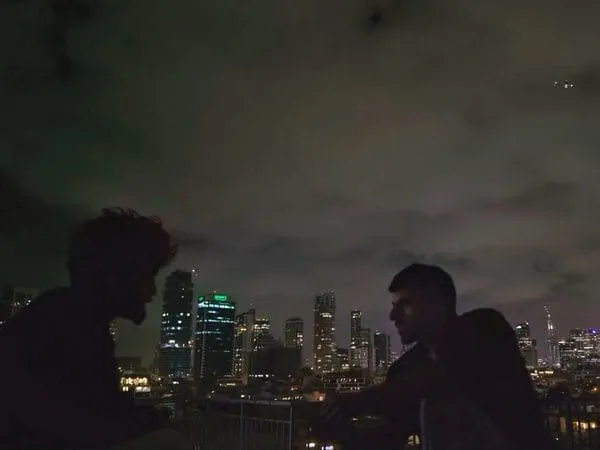
In a landscape defined by violence, some stories cut deeper than the headlines. Yuval Abraham and Rachel Szor’s powerful film NAZA”>NAZA plunges the viewer into the chilling reality of the Israeli war machine, revealing a staggering apathy regarding the lives of innocent civilians.
The film uses a deliberate and stark visual choice to establish its tone. For 75 of the 80 minutes, the narrative exists in profound darkness. The only light comes from dimly lit rooftops in Tel Aviv, where voices emerge from the shadows. These voices belong to former IDF soldiers, their faces obscured by night, and their words are digitally modified to protect confidential journalistic sources. This technique immediately sets up the central tension: what is being hidden, and who is telling the truth about the conflict.
The film’s title, NAZA”>NAZA, is itself a damning acronym used by Israeli army forces to indicate possible civilian casualties resulting from a planned strike. This context grounds the audience in the grim statistics: the number of Palestinians killed by Israeli attacks stands at over 76,000, a figure that continues to climb daily.
Abraham and Szor deliberately juxtapose this raw visual presentation with the almost blinding clarity of their previous work, No Other Land”>No Other Land, which won the Academy Award for Best Documentary Feature Film in 2025. This shift in cinematic approach allows them to confront the moral weight of their government’s actions, forcing viewers to grapple with the consequences.
The directors draw inspiration from the philosophical work of filmmakers like Jonathan Glazer and Laura Poitras. They borrow Glazer’s idea that the victims of great barbarity remain hauntingly present even when the camera focuses solely on the perpetrators. They also engage with Poitras’s concept of
Buy on Amazon
Credit