Nightbreed cuts action showdown which version wins
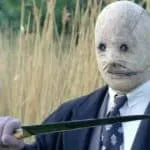
Clive Barker’s filmography is a masterclass in creative vision, but the journey of his creature feature Nightbreed is less a straightforward cinematic experience and more a chaotic, fascinating saga of studio interference and fan dedication. While many versions exist, the true treasure lies not in the theatrical release, but in the complex history of how this film was shaped—and ultimately rediscovered.
When Nightbreed hit theaters in 1990, it arrived wrapped in hype, promising monsters and thrills. Yet, this version felt curiously disjointed. The original film, shot under studio pressure, was a disjointed slasher movie that failed to capture the essence of Barker’s darker, more layered vision. It was a film that felt like a beautiful concept that got squeezed into a commercial mold, leaving fans wondering what the true story was.
Barker had long envisioned the story, starting with his novella Cabal, which laid the groundwork for the world of monsters. His ambition was clear: to tell a story about the plight of monsters, not just deliver a spectacle. However, the path from his original script to the final product was fraught with studio interference, re-dubbing, and heavy editing that blurred the lines of his original intent.
The production itself was a masterclass in creative conflict. Despite elaborate shooting locations and impressive visual effects, the final result was a compromise. The studio, focused on commercial viability, seemed determined to bury the more expansive, thematic material that Barker had envisioned. The marketing, too, failed to convey the film’s true atmosphere, sending back trailers that couldn’t even show the monsters themselves.
To uncover the true story, dedicated fans embarked on a quest. They dug through the archives, discovering raw, unedited footage from the production, which offered a glimpse into the film’s raw, unvarnished DNA. This raw material became the foundation for an evolution that allowed the film to finally breathe.
This restoration led to the creation of multiple versions, culminating in what is now widely regarded as the definitive experience. The process involved refining the narrative, restoring the intricate lore of Midian, and giving the characters depth that the theatrical release lacked. The differences between the cuts are significant: the theatrical version focused on slasher action, whereas the revised versions delve into the psychological and emotional core of the monster world.
In the restored versions, the narrative shifts focus. The story is given weight to Boone’s destiny in Midian, Lori’s role evolves from a peripheral figure to a true protagonist, and the fate of the antagonists takes a far more complex, tragic turn. The monsters are no longer just spectacle; they possess history and a world that demands to be explored.
Ultimately, the Director’s Cut stands out as the most rewarding viewing experience. It wisely trims the unnecessary elements while restoring the whimsical score, allowing the story to unfold with the intended sense of epic tragedy and profound character development. For those seeking the true, intricate world of Clive Barker’s creation, the Director’s Cut offers the most complete and heartfelt journey.
Buy on Amazon
Credit
