Nolan calls out amateur film criticism as a real problem
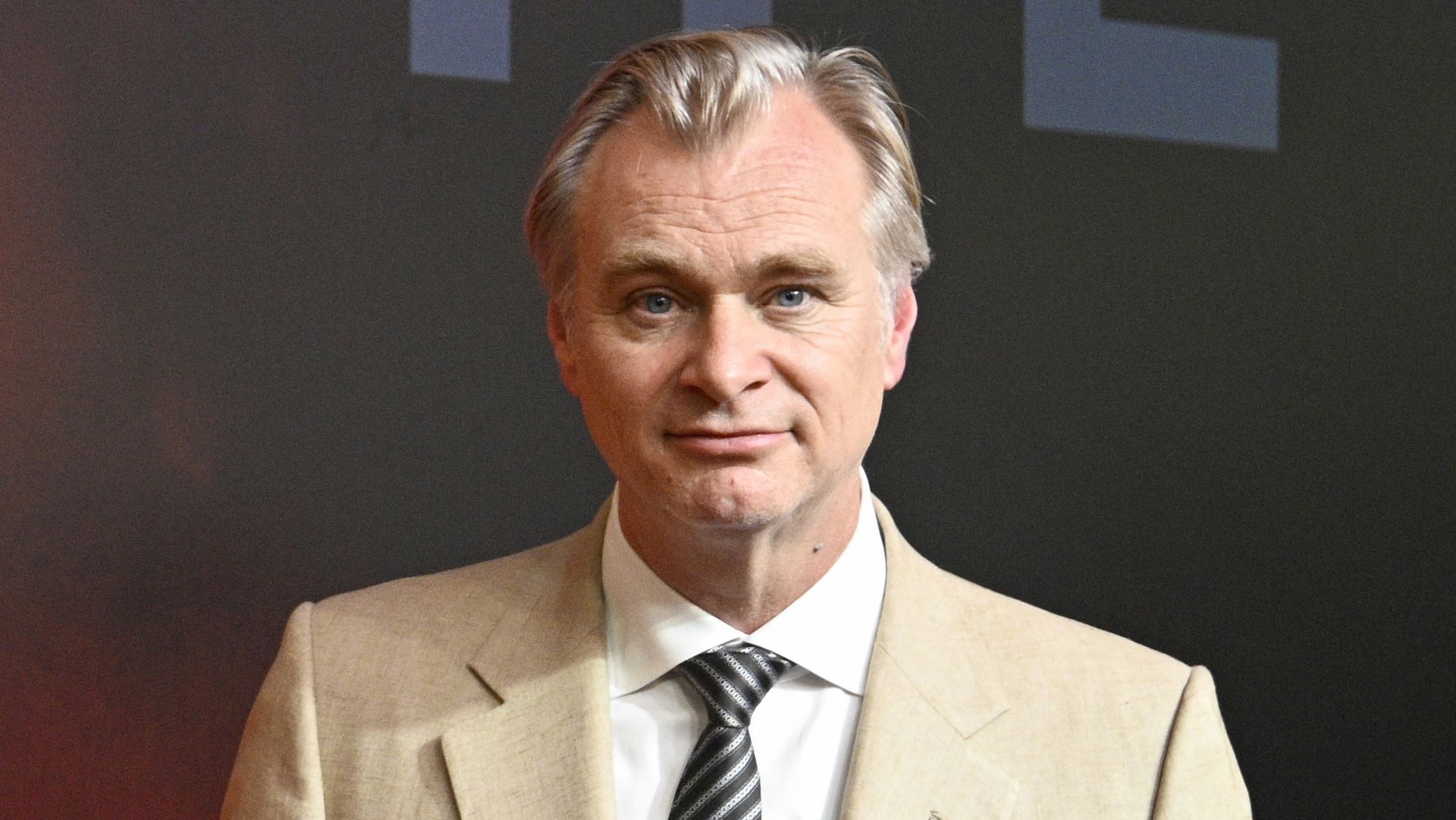
With Letterboxd now sitting comfortably in the palm of almost everyone’s hand, the landscape of film criticism has undergone a dramatic shift. Suddenly, every viewer is equipped with the power to evaluate and voice their opinions, creating an incredibly vibrant—and sometimes contentious—new ecosystem.
This democratization of taste has led to friction among established figures in the industry. The reality is that today, everybody truly is a critic, which has caused some notable annoyance among those who value traditional cinematic authority, most famously Christopher Nolan.
Recently, the 2x Oscar winner addressed this burgeoning phenomenon, unpacking what he sees as “a real problem” stemming from the rise of amateur film critics. He spoke about a shift in perspective regarding how we engage with cinema and storytelling.
His critique centered on the idea that there is a “very accessible modern language of storytelling” that many viewers embrace, yet which some feel is not truly necessary or sufficient for serious filmmaking. This disagreement highlights a deep cultural divide: the tension between professional critical standards and the unfiltered enthusiasm of the general audience.
The debate touches upon the very definition of quality. When an average viewer can instantly categorize and share their experience across digital platforms, the role of traditional, formal critique becomes complex. It forces filmmakers and critics alike to grapple with whether mass appeal should supersede artistic intent.
This conversation is more than just about viewing preferences; it’s about the evolving power structures in media. As personalized content delivery systems allow audiences to curate their own cinematic journeys, the gatekeepers—whether they be professional reviewers or established auteurs—must recalibrate their methods of influence.
The friction generated by this shift suggests that the future of film criticism will not be a simple dichotomy between expert analysis and casual viewing, but rather an integration of both perspectives in a more complex digital dialogue. The modern cinema experience is proving to be far more participatory than ever before.
Buy on Amazon
Credit