Oasis First Look Action Review
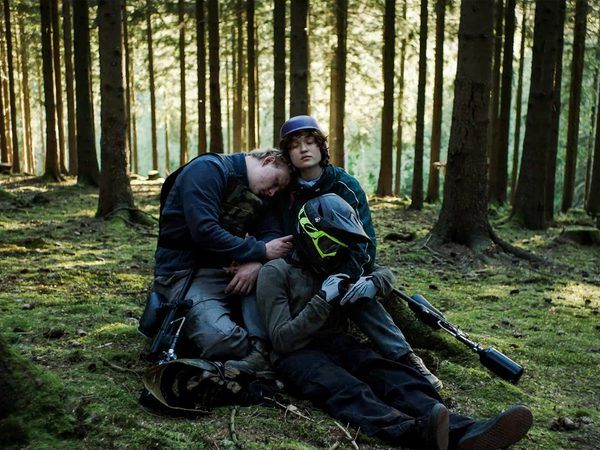
German filmmaker Jannis Lenz has made a bold entrance into the world of cinema with his feature debut, Oasis. Mentored by the esteemed Jessica Hausner and a former assistant to Michael Haneke, Lenz brings a distinctive, observant eye to the coming-of-age genre, crafting a story that delves deep into the turbulent, often messy, landscape of adolescent emotion.
The film centers on three teenagers—Lukas, Andi, and Maja—who find an unexpected sense of community through shared rituals. Initially brought together by a shared interest in paintballing, their seemingly complex personal lives fade into the background as they begin to explore their autonomy and selfhood together. This dynamic sets the stage for an exploration of how young people navigate their identities amidst social pressures.
Not all paths are smooth. The story introduces simmering conflicts, particularly regarding Andi, a character grappling with a mean temper and recent personal violations. He struggles to fit into his environment, feeling alienated, especially as the son of a strict form teacher. Meanwhile, Lukas, shy and watchful, experiences a similar sense of isolation, while Maja appears more mature, observing the chaos around her.
As the trio moves through their experiences, they engage in a series of escalating rituals, using the natural world as a safe haven against the stifling social minefield of school. They begin to use the woodland as a refuge, allowing them to explore their bodies and feelings in ways they cannot within the confines of conventional society.
Lenz’s script masterfully balances themes of intense experience with a fascinating psychological complexity. While the film carries echoes of films like Funny Games, it steers clear of nihilism, offering a far more empathetic look at its young leads. The narrative keeps the audience guessing about the true nature of Andi, posing the question of whether he is on the brink of volatile behavior or if he can find healing through the bonds he forms.
The visual language of Oasis is equally compelling. The teenagers utilize a digicam to explore their world, contrasting sharply with the constant surveillance of covert school footage that continually escalates Andi’s troubles. This visual contrast heightens the tension, creating a foreboding atmosphere that captures the inherent anxiety of adolescence.
Despite moments that veer towards the theatrical, such as a scene depicting a character’s extreme reaction, the film is rich with Lenz’s keen observation. Oasis stands as a confident and thoughtful feature debut, offering a unique and emotionally resonant spin on the coming-of-age genre, bolstered by the effortless connection between its young cast.
Buy on Amazon
Credit