Odyssey review a magnificent feat of storytelling
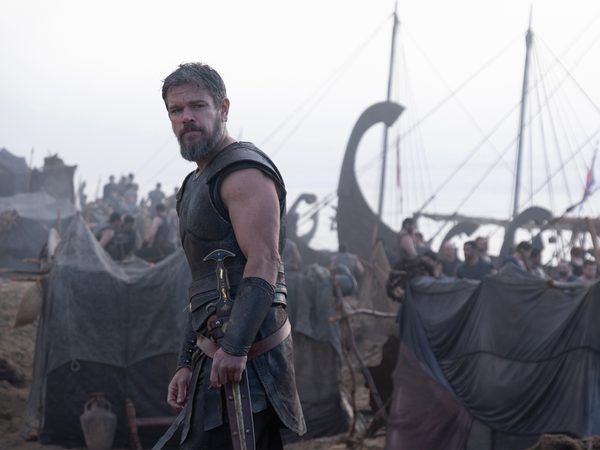
Christopher Nolan has consistently proven that cinema is not merely entertainment; it is an event. With his latest epic, The Odyssey”>The Odyssey, he mounts a spectacle that redefines storytelling, transforming Homer’s timeless journey from ancient legend into a modern cinematic phenomenon.
Nolan’s career has been defined by achieving blockbuster status while maintaining artistic depth. His portrayal of the atomic age in Oppenheimer”>Oppenheimer cemented his position as a filmmaker capable of handling immense scale and complex human drama. Now, with The Odyssey”>, he is aiming for similar heights, translating the epic scope of Odysseus’ 20-year voyage home into a visual feast that demands attention.
This new cinematic achievement builds directly on the DNA of Nolan’s previous work. Like his other masterpieces, this film delves into the psychological landscape of its characters, exploring how individuals grapple with loss, absence, and the relentless need to endure. It uses the framework of ancient mythology not just for spectacle, but as a lens through which modern anxieties are viewed.
The narrative itself is rich with layers. We witness a brilliant man wrestling with the aftermath of war, while his wife mourns an undead husband—themes echoed across Nolan’s filmography. The story weaves together deep threads concerning familial absence, memory, and the reconstruction of self, proving that there are no new stories to tell, only new ways to frame the eternal human experience.
The execution is breathtaking. Shot entirely on 70MM IMAX cameras, The Odyssey”> becomes more than a movie; it becomes a physical experience. The film leverages Nolan and cinematographer Hoytema’s signature moody palette of blues, greys, and browns, creating an atmosphere that evokes the grandeur of Ancient Greece, even as it explores intensely personal turmoil.
The ensemble cast delivers exceptional performances, balancing stark emotional truths with compelling gravitas. From Matt Damon as Odysseus to Robert Pattinson as Antinous, and powerful supporting roles, the characters feel utterly real. The complexity is amplified by casting choices that allow actors to embody profound psychological depth, from those struggling with fate to those navigating courtly schemes.
At a craft level, Nolan continues to set the standard. The pacing is relentless yet fluid, allowing events and personal stories to merge seamlessly into legendary narratives. In The Odyssey”>, the film emphasizes that words carry immense weight, underscoring how stories give us our identity—a powerful reminder that humanity’s greatest strength lies in its capacity to endure and tell these unforgettable tales.
Ultimately, Nolan’s work, and cinema as a whole, speaks to the essential human impulse. Amidst the shifting landscape of film journalism and digital noise, there remains a profound faith in the power of visual storytelling. Within the cathedral of the multiplex or the independent arthouse, we find a space for this collective communion—a reminder that even the most ancient stories hold the key to understanding what it means to live.
Buy on Amazon
Credit