Oliver Attacks Ellison and Throws Colbert Under the Bus
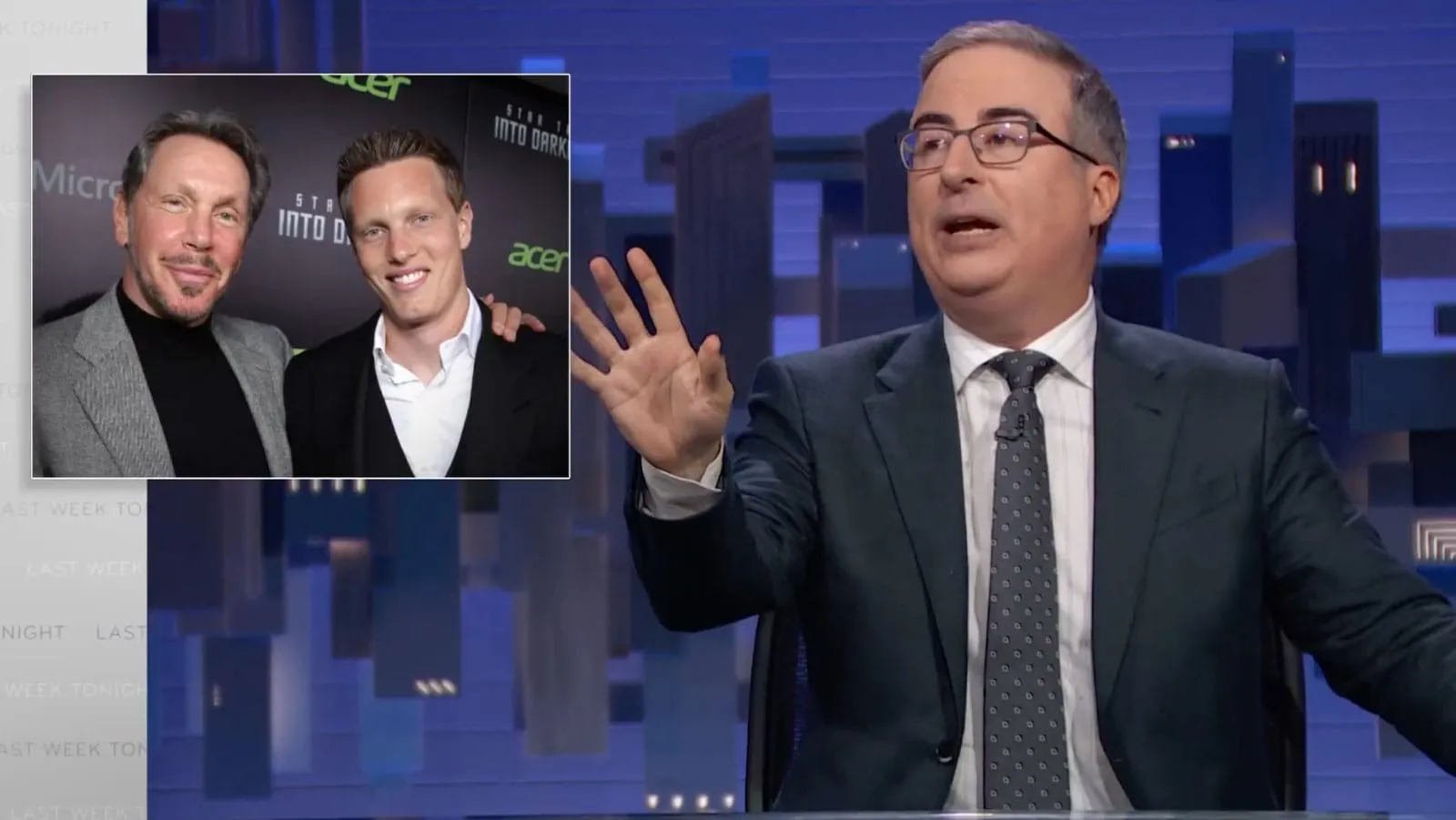
The Business Daddy Bump: John Oliver’s Latest Jab at Media Moguls
In the often-cynical world of media and high finance, sometimes the best commentary comes from unexpected places. On the latest episode of Last Week Tonight, comedian John Oliver traded his usual political commentary for a pointed critique of the very people who shape the industry—specifically targeting the newly emerging titans of power, a practice he is known for with his favorite targets: his “business daddies.”
This week, Oliver zeroed in on David Ellison, a figure whose influence is rapidly expanding, particularly amid the massive shakeup of the Paramount-Warner Bros. merger. Rather than offering a dry analysis of corporate strategy, Oliver injected a dose of comedic reality, using the high-stakes environment of media consolidation to highlight the often-absurd realities of the business world.
Oliver’s penchant for roasting powerful figures isn’t new. He has a long-standing tradition of playfully poking fun at the wealthy and influential men behind the curtain, turning complex corporate maneuvers into relatable, often hilarious, observations. This tendency allows him to peel back the veneer of corporate polish and expose the human, and sometimes ridiculous, elements beneath the surface.
The specific focus of the critique often lands on the tangled web of corporate responsibility and consumer experience. In this instance, Oliver steered the conversation toward a particularly frustrating topic: the murky world of insurance and denial of claims. He used the high-profile merger as a backdrop to explore how large corporations manage their relationships with consumers and the systems they put in place to deny legitimate claims.
By examining the frustrating experience of dealing with entities like UnitedHealthcare and their practices concerning insurance claims, Oliver provided a sharp, humorous lens through which to view the immense financial power wielded by figures like Ellison. It was a reminder that even in massive mergers and billion-dollar deals, the underlying frustration of everyday life—like getting paid for what you deserve—remains a central, and often comical, source of tension.
This blend of sharp satire and grounded observation proves why Oliver’s brand resonates so strongly. He manages to transform serious economic and legal discussions into entertaining commentary, proving that even the most complex corporate landscapes can be navigated with a healthy dose of wit and a knowing smirk.
Credit