Pete Postlethwaite’s Dramatic Leaps
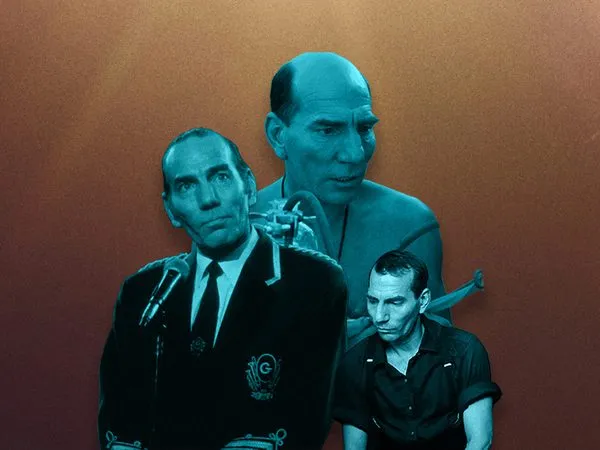
When we reflect on the life and work of Pete Postlethwaite, we are reminded of an actor who navigated the turbulent waters of life with a formidable sense of grit and unwavering integrity. His journey was not just a series of performances, but a deep dive into the very essence of what it means to hold onto what matters, whether it is a community, a cause, or a simple, steadfast belief.
This dedication to the greater good is woven through his career, often explored through characters facing immense societal and personal pressures. Whether depicting the passionate conviction of a father fighting for his family or the desperate fight of a community against economic collapse, Postlethwaite seemed to possess a unique ability to project profound emotion with quiet intensity.
One striking example of this internal struggle is found in the world of Brassed Off. Here, the story of Danny Ormondroyd, a colliery band leader facing the threat of his community’s demise, becomes a powerful metaphor for larger battles. Despite financial hardship, Danny pursued a resolute vision: that the music and the community itself mattered more than the immediate pressures of the system. It is a story of righteous indignation, showing how deeply personal struggles can transform into demands for systemic change.
Postlethwaite’s cinematic and theatrical work is steeped in the search for faith and reconciliation. In pieces like Romeo + Juliet, his character of Friar Lawrence embodies a transcendent idealism, finding peace and anchoring reality amidst the tempestuous intensity of Verona. This idealism is not naive; it is a profound warmth that manages to temper chaos, offering an unshowy magic to the dramatic world.
This theme of unwavering conviction also surfaced in his portrayals of figures navigating injustice. In In The Name of the Father, his character Guiseppe Conlon endured the harsh realities of the British legal system, finding an inscrutable faith that justice would eventually prevail. He embodied the quiet persistence required to fight for one’s innocence against overwhelming odds.
What links these diverse stories—from the factory floor to the stage—is Postlethwaite’s inherent belief in the power of human connection and civic action. He championed the idea that true strength lies not in adherence to rigid theories, but in the emotional truth of relationships. This conviction helped him connect with audiences by demonstrating that even in the face of societal decay, there remains a capacity for hope and moral action.
Beyond the screen, his commitment extended to the arts themselves. Postlethwaite was part of a generation that believed in the democratization of creativity, working alongside actors who championed the idea that art should resonate with people. He understood that sustaining a community, whether it was a struggling pit or a struggling theatre, required faith in collective action and a steadfast refusal to surrender to despair.
Ultimately, the legacy of Pete Postlethwaite is a powerful testament to the enduring impact of personal integrity. He showed that amidst the noise of the world, there is power in leading by conviction, in finding empathy, and in fighting for the things we believe are worth saving.
Buy on Amazon
Credit