Possession at 45 The Wall Between Us
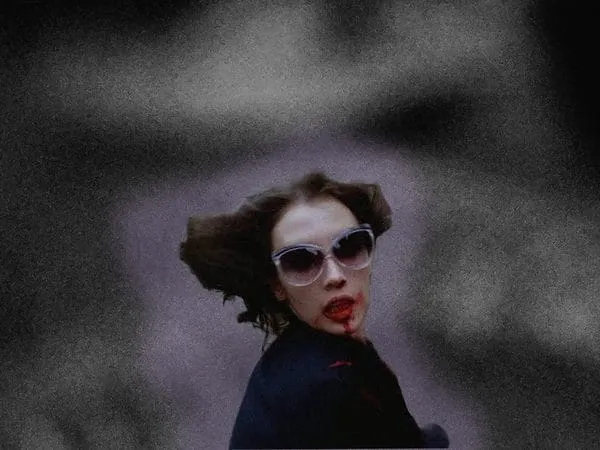
Some films don’t just tell a story; they create an atmosphere that settles deep into the collective subconscious. Andrzej Żuławski’s is one of those cinematic masterworks, a grotesque, visceral depiction of a marriage collapsing under the weight of unspoken despair. More than just a historical artifact, the film acts as an unnerving reflection of our increasingly fragmented and disconnected world.
At its heart, the film explores the shattering of communication. We witness Anna (Isabelle Adjani) and Mark (Sam Neill), a young couple navigating the existential minefield of divorce and motherhood. Their relationship doesn’t just falter; it descends into a dizzying spiral of neurosis, where arguments become unsolvable riddles and reality begins to blur around them. This internal chaos is amplified by the external pressures of their environment—the looming presence of the Berlin Wall serves as a stark visual reminder of the boundaries that are eroding, both between people and between society and the individual.
Żuławski’s genius lies in exposing the raw, unmediated pain beneath the surface of domestic life. Inspired by the physical intensity of Jerzy Grotowski, Adjani’s performance is a masterclass in conveying palpable rage and psychic exhaustion. The film strips away the façade of perfection, allowing the audience to confront the visceral fear of losing one’s identity when the foundations of a life crumble.
But the true power of shines brightest when viewed through a contemporary lens. The themes of internal collapse and external threat feel alarmingly relevant in the age of constant digital surveillance and hyperreality. Anna and Mark’s fractured dynamic echoes the modern experience of living under constant scrutiny, where identity is increasingly curated for an online audience.
The film’s haunting imagery of doppelgangers and suffocating paranoia resonate powerfully in our current climate. Just as the couple chased each other around identical streets, we navigate a reality where online censorship is often disguised as a safety measure, and events seem inexplicable and out of control. The film captures the unsettling feeling of being watched, a feeling that has intensified in a world dominated by AI and relentless information streams.
Watching today is akin to witnessing a fever dream of our own digital existence. The frantic, suffocating performance of Anna becomes a cathartic experience for us, allowing us to vicariously process the anxiety of a life that feels simultaneously simple and profoundly haunted. The film successfully conveys the surreal, absurd terror that has crept into our everyday lives over the past two decades.
The legacy of Żuławski in pushing the boundaries of horror and social commentary continues to inspire. From his controversial, banned work to his influential approach, he demonstrated that cinema can be a potent force for introspection. This influence is evident in modern features that tackle similar themes of alienation and crisis.
This is why the idea of a remake is so compelling. It would not simply be a nostalgic exercise, but a necessary opportunity to cut through the clutter of modern media. By tapping into Żuławski’s uncompromising vision, a remake could serve as a potent mirror, forcing us to examine how catastrophe emerges when we fail to communicate and live under the shadow of constant observation. A well-made retelling could scare us back into reality, reminding us of the profound human cost of our fractured modern existence.
Buy on Amazon
Credit