Possible Love First Look Visual Review
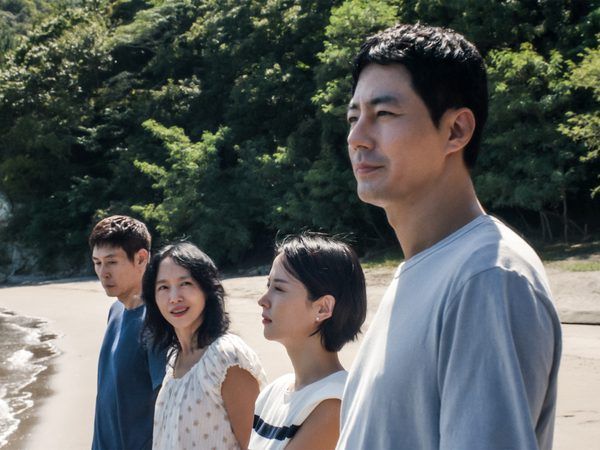
In the landscape of Korean relationship dramas, Lee Chang-dong’s Possible Love offers a stark and deeply human examination of how economic disparity shapes the very fabric of love. It’s a story where two couples, living in vastly different worlds, brush up against each other, revealing the subtle, often painful fissures created by class, corporate greed, and the relentless pursuit of security.
For Mi-ok and Ho-seok, the reality of life is defined by struggle. Corporate restructuring decimated Ho-seok’s job, leading to a painful 40% workforce reduction, and the subsequent strike was brutally suppressed by the state. This economic devastation left Ho-seok grappling with untreated trauma and pain, turning to alcohol as a fragile coping mechanism. Mi-ok must shoulder the weight of caring for their ten-year-old son, Cheok, while maintaining her own blue-collar employment. Their marriage, though rooted in a deep connection, is constantly tested by the financial strain, creating a fragile equilibrium under immense pressure.
In sharp contrast, the world of Ye-ji and Sang-wook seems bathed in ease. Sang-wook, a handsome and athletic businessman from a family of means, provides security, allowing Ye-ji the freedom to pursue her passion for art and secure grants. Their relationship is polished, yet subtly opaque. When Mi-ok observes their dynamic, she notes the polite formality—the use of names instead of traditional honorifics—which suggests a comfortable equality, even if the deeper emotional landscape remains unexamined.
As the two women cross paths, a dynamic of curiosity and intrusion emerges. Ye-ji, with her film-making eye, becomes intensely interested in Mi-ok’s difficult life. This interest, however, borders on voyeurism; she seeks to capture Mi-ok’s stories and emotionally vulnerable moments, prompting a tension between genuine empathy and the desire to consume another’s pain for art.
This dynamic extends to Ho-seok. Ye-ji subtly pushes for him to open up about his experiences, viewing his personal trauma as rich material for her documentary. While Mi-ok sees this as a means for her husband to process the strike, Ho-seok remains resistant, unwilling to share his struggles with his wife. This reluctance highlights the internal barrier that economic stress builds—the unwillingness to let hardship infect the intimate space of the marriage.
Lee Chang-dong masterfully uses these contrasting narratives to explore the painful dichotomy between material ownership and emotional need. The film delves into the sharp ache of the working man’s desire for security, set against the blunt sense of privilege afforded by generational wealth. It asks whether desire is merely a knife-edge, constantly balanced between the ownership of everything and the desperate need for something real.
Through candid conversations and carefully observed moments, the film scrutinizes the ethical complexities of storytelling, using CCTV footage and documentary inserts to make the viewer uneasy about who has the right to tell whose story. Beneath the surface of these dramatic contrasts, the film flows like a soju conversation, touching on the shared values of labor and the inherent parental desire for their children to have more than they did. Ultimately, Possible Love provides a profoundly lived-in portrait of how economic reality creates both divides and surprising connections within the most intimate human relationships.
Buy on Amazon
Credit