Possible Love’s rich and thorny reality
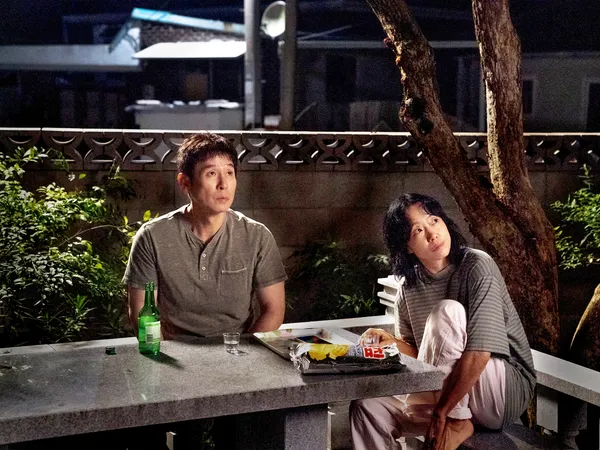
Two couples from dramatically different walks of life navigate the sharp edges of modern existence in Lee Chang-dong’s acclaimed relationship drama, <Possible Love>.
The narrative sets up a fascinating collision between two worlds defined by economic reality. On one side are Mi-ok and her husband, Ho-seok, whose lives are tightly bound by the grinding reality of corporate restructuring and the devastating fallout of a massive workforce layoff. Ho-seok’s struggle is palpable; the loss of his job and subsequent attempts to cope with untreated PTSD manifest in reliance on alcohol, leaving Mi-ok to shoulder the burden of caring for their son and maintaining their existence.
Juxtaposed against this struggle is the seemingly idyllic life of documentary filmmaker Ye-ji. Married to the handsome and well-off businessman Sang-wook, Ye-ji enjoys a life of security and freedom, allowing her to pursue her artistic passions. While Ye-ji seeks inspiration in the world of art grants, Mi-ok is living the stark reality of the working class, forcing a stark contrast between privilege and pain.
Their paths inevitably cross when Ye-ji embarks on a new film centered on the fired laborers from a major industry. Her pursuit of Mi-ok’s story is driven by a genuine, if sometimes intrusive, curiosity. Initially, Mi-ok is captivated by the affluence surrounding Ye-ji, yet the dynamic quickly reveals the chasm between them. Mi-ok sees the comfort of Sang-wook’s family wealth, while Ye-ji appears to treat Mi-ok’s life as raw material for her work.
This initial difference introduces a fascinating layer of tension. Ye-ji’s interest often leans toward voyeurism, subtly filming vulnerable moments and pushing Ho-seok to share his pain, viewing his suffering as compelling material for her documentary. Mi-ok, meanwhile, yearns for her husband to find a way to process their shared trauma, but Ho-seok remains resistant to seeking help.
The drama masterfully uses these encounters to explore the deep-seated tensions within marriage. While Mi-ok and Ho-seok share a history and deep affection, economic stress has carved painful fissures into their bond. Conversely, the relationship between Ye-ji and Sang-wook remains more opaque, hinting at a superficiality beneath the surface of their shared status.
Through tipsy confessions and candid conversations, the film peels back the layers of desire, labor, and ownership. It skillfully examines the inherent value of work in an era dominated by automation, questioning what truly constitutes security and happiness for people from different economic strata.
Lee Chang-dong weaves these threads with masterful precision, using documentary-style inserts and candid dialogue to scrutinize the ethical dilemmas inherent in telling others’ stories. The film ultimately offers a bittersweet reflection on the human condition, demonstrating that whether rooted in generational privilege or the harsh reality of the working world, the ache for connection and security remains a universal, multifaceted experience.
Buy on Amazon
Credit