Price hike craters Steam Deck sales
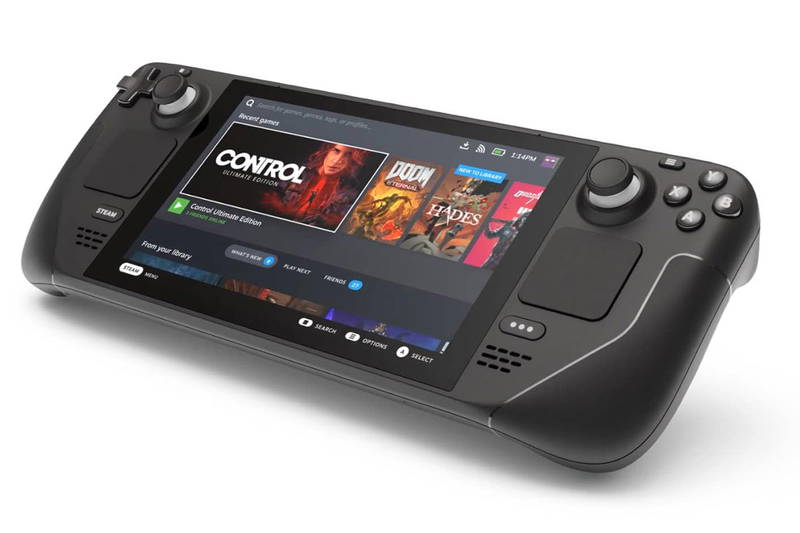
The handheld gaming landscape is undergoing a dramatic recalibration, and the Steam Deck is finding itself in the eye of a financial storm following recent price adjustments. What was once hailed as a solid value proposition has seen its market position take a significant hit, illustrating the volatile nature of the handheld PC gaming sector.
Recent sales estimates indicate that since the major price hikes earlier this year, the Steam Deck has experienced a staggering decline in weekly unit sales, dropping by roughly 80 to 82 percent. This shift isn’t just about a minor dip; it represents a complete readjustment of market expectations for the device.
The financial impact is equally dramatic. Gross revenue for the handheld has plummeted by approximately 72 percent. Where weekly sales previously hovered between 11,000 and 18,000 units, estimates now place sales in the range of just 1,400 to 3,000 units per week. This stark reduction reflects a fundamental change in how consumers are viewing the value proposition of handheld gaming hardware.
This volatility is intrinsically linked to the cost structure. The Steam Deck itself faced a substantial 54 percent price increase in May, a move that coincided with broader market pressures, including the ongoing memory crisis which inflated component pricing across the board.
As the market shifts, new, high-end contenders are stepping into the arena, offering cutting-edge specifications and premium pricing that challenge the Deck’s dominance. For instance, competitors like Ayaneo are pushing the boundaries of what handheld gaming can offer, announcing devices such as the Next 2 handheld. This competitor boasts $5299 in price, equipped with 128GB of RAM, a 2TB SSD, and an AMD Ryzen AI Max+ 395 APU.
This level of technological advancement and premium pricing highlights the rapidly evolving demands of the handheld market, suggesting that future success may rely on balancing raw performance and cutting-edge features with consumer affordability. While supply chain issues and regional shortages complicate these figures, the overall trend points toward a dynamic and increasingly expensive competitive environment for handheld gaming hardware.
Buy on Amazon
Credit