Psycho IV The Beginning Underrated Visual Action
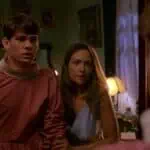
The world of horror cinema is full of franchises that seem destined for greatness, and then there are those that somehow defy expectations. Alfred Hitchcock’s original Psycho was certainly one of them, a masterpiece that spawned a plethora of sequels, spin-offs, and TV adaptations that stretched the narrative thread thin. But when you look at the sprawling, often messy lineage of the Psycho franchise, it’s Psycho IV: The Beginning that emerges not as a continuation, but as a brilliant, necessary reboot.
This film manages a remarkable feat: it acts simultaneously as a prequel and a continuation, expertly weaving together the history of Norman Bates with the trauma of his mother, Norma. It wisely steps away from the cluttered path of the previous sequels, allowing the story to breathe and explore the painful origins of the madness that defines the Bates household.
The story unfolds through a deeply intimate, unsettling lens. It follows Norman Bates as he grapples with the paralyzing guilt of matricide, a burden that manifests in increasingly terrifying ways. We see the psychological disintegration unfold, charting Norman’s descent as guilt morphs into a monstrous identity, pushing him toward a horrifying confrontation with the women in his life.
What makes this narrative so powerful is its refusal to deliver conventional horror payoffs. The violence is raw, messy, and profoundly uncomfortable. Rather than offering slick, stylized slasher kills, the film presents the tragedy in a visceral way. The murder of Norma and her fiancé is slow, angry, and ugly, forcing the audience to confront the true, devastating cost of the events rather than simply cheering a clean resolution.
The film successfully pulls back the curtain, allowing us to see the painful complexity of Norma Bates. Through her perspective, the movie explores the abusive, damaged, and psychosexual reality of a troubled relationship, giving her a dimension often ignored in the franchise history. This focus on the mother storyline is a deliberate choice, ensuring the film delves into the source of the pathology rather than just focusing on the monster.
Behind the scenes, the creation of this film was itself a story of creative resistance. The franchise had been floundering in the late 1980s, marked by disappointing theatrical results and failed television ventures like the poorly received Bates Motel series. Universal needed a fresh approach, and that led to some incredibly smart decisions. They brought back original screenwriter Joseph Stefano and the iconic score by Bernard Herrmann, immediately lending the film an undeniable sense of history and authenticity.
The production itself was a masterclass in cinematic history. Filmed on the other coast, the setting of the Bates mansion and motel was recreated for a theme park attraction, allowing the crew to capture the atmosphere. This strategic move meant that the film could exploit the freedom of premium cable television, enabling a level of nudity and graphic violence that felt earned, rather than gratuitous.
The casting was equally inspired. Anthony Perkins returned as Norman Bates, delivering a performance that is arguably his most emotionally complex portrayal, showing the fear and internal struggle of a man caught in a terrible cycle. Paired with the brilliant performance of Olivia Hussey as Norma, the film offers a final, haunting look at a relationship consumed by trauma.
Ultimately, Psycho IV: The Beginning succeeds because it doesn’t just revisit the past; it understands the core of what made the original so unsettling. It honors the source material by diving into the uncomfortable truth, proving that sometimes, the most effective sequel is the one that bravely looks back to redefine the very foundation of the legend.
Buy on Amazon
Credit
