Queen at Sea harrowing future vision
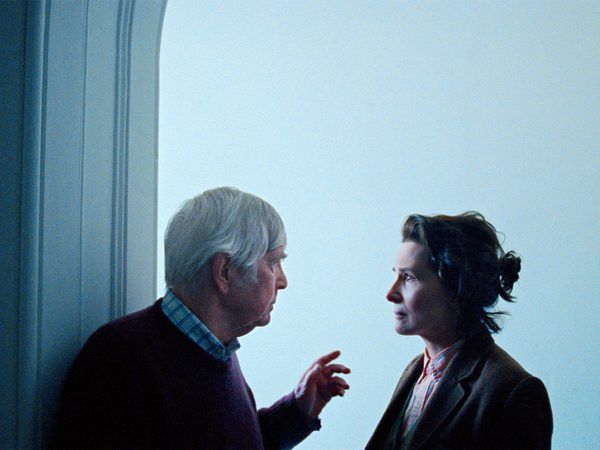
Lance Hammer’s latest cinematic offering, Queen at Sea, is far more than a simple drama; it is a harrowing yet deeply vital exploration of dementia, the fragility of family bonds, and the often-unspoken limits of consent.
Following his acclaimed debut Ballast, Hammer took nearly two decades to return with this hushed, London-set film. It promises an experience where every frame, every carefully chosen line of dialogue, feels exhaustively examined, pushing the boundaries of what we believe about aging and human relationships.
The film immediately plunges the viewer into a highly charged scenario. We meet Amanda, who finds herself confronting the stark reality of her elderly mother, Leslie, and her stepfather, Martin. As Amanda navigates their shared home, she walks in on a deeply intimate, yet profoundly disturbing, scene between them. Her mother is suffering from dementia, and Amanda grapples with the agonizing question of consent in this late-life dynamic. The instinctive reaction is one of outrage, prompting her to call the police, raising urgent legal and ethical questions about the suitability of the caregivers and the boundaries of private life.
The narrative skillfully juxtaposes this intense personal crisis with the complex dance of adult love. While the central family dynamic unravels, the film subtly introduces the burgeoning puppy love of Amanda’s teenage daughter, Sara. This contrast injects an unexpected element of levity, placing the film’s cruel machinations within a cosmic context of perpetual human existence and reproduction, preventing the story from dissolving into mere despair.
Hammer’s brilliance lies in exploring the paradoxes inherent in the human experience. While the film shares superficial similarities with works that examine aging, it focuses keenly on the tension between emotional desire and the cold, unyielding frameworks of medical science and legal structures. It challenges us to consider how our deepest desires often refuse to align with established medical tenets or legal definitions.
Visually, the film enhances its mood. Hammer selectively employs evocative, rarely filmed London locations, bathing the sprawling metropolis in a melancholic blue-green hue. The interiors of the various homes are rendered with a somber quality, making the domestic spaces feel less like sanctuaries and more like glum prisons.
Through intricate plotting and subtly expressive editing, Queen at Sea crafts an atmosphere that is simultaneously intense and beautiful. It is a demanding, unflinching vision of a future that many of us are destined to experience, offering an authentic look at the messy, contradictory reality of love, loss, and the complex relationship between the physical and the emotional.
Buy on Amazon
Credit