Rebellion first look visual action review
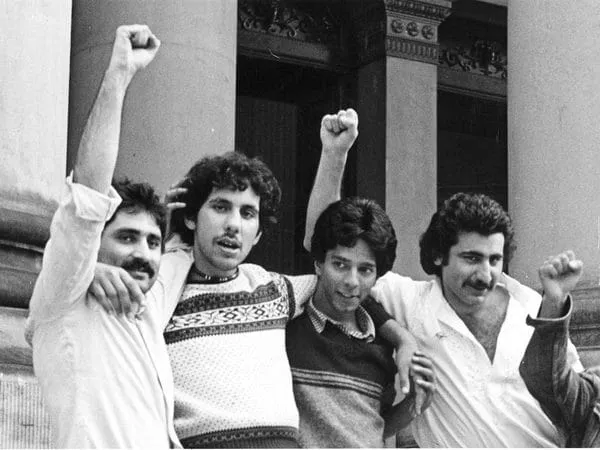
In a world constantly drowning in grim headlines—from anti-migrant blockades to the slashing of life-saving dinghies—it is easy to feel numb to the contemporary noise. Yet, amidst this political glut, a powerful reminder of enduring human spirit is being broadcast through cinema. Ken Fero and Tariq Mehmood’s film, Rebellion, does exactly that. It pulls us back to the vibrant, fiery movements of the Seventies and Eighties, reminding us that the fire fueling social justice decades ago still burns brilliantly today.
At the heart of this dynamic visual journey is the landmark 1981 defence campaign of the Bradford Twelve. This was more than just a legal battle; it was a charged awareness campaign against racialized violence, where activists faced arrests for possession of Molotov cocktails. The story of the Twelve encapsulates a period of progressive unrest, catalyzed by years of deadly injustice that simmered across the nation.
But what makes Rebellion so compelling is its refusal to stay in the past. While the film digs deep into the historical suffering—anchored to the experiences of those involved, particularly members of the United Black Youth League—it brilliantly connects that history to the present moment. The film doesn’t just offer nostalgia; it shows how the resistance movements of the past are the coordinates for today’s progressive protests.
It charts a powerful trajectory, tracing anti-Imperialist campaigns from the era of the Twelve right up to contemporary movements. Through archival footage, grainy shots of placards, and the raw testimony of activists, the documentary captures a wave of frustration and defiance. These visual strokes of rage, often presented in Super 8 style, cultivate an atmosphere charged with simmering tension.
The film masterfully balances this raw footage with more measured narratives, featuring talking heads that convey the unshakeable anger and poise of the rebels. Their words are weighty enough, needing no heavy-handed intervention from the filmmakers to convey the emotional toll of resistance. It is a testament to the fact that true rebellion isn’t just about history; it is about resilience.
Even as the timeline of the Twelve concludes, the message of Rebellion remains profoundly urgent. It serves as an insistent, timely reminder that protest, in all its forms, still holds immense power. The film suggests that the spirit of those who fought for justice is not relegated to history books, but remains a potent force shaping the political landscape of today.
Buy on Amazon
Credit