Remarkable tribute remake review
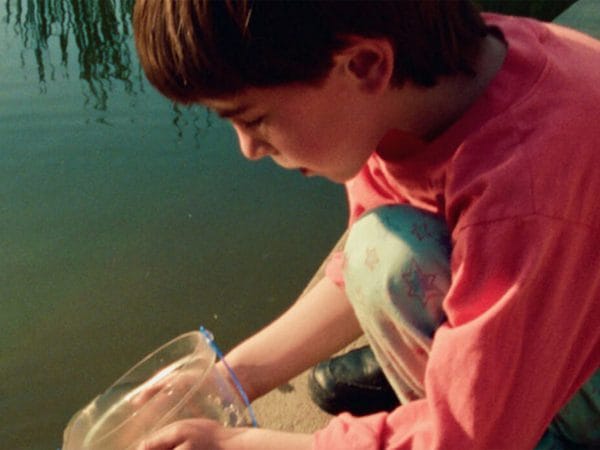
In the world of filmmaking, there are stories we tell, and then there are the truths we carry. For director Ross McElwee, the pursuit of the latter became a heartbreaking necessity. In his first feature film in fourteen years, he confronts the devastating reality of losing his son, Adrian, forcing him to ask the most difficult question of all: what good is a documentary when faced with heartbreak?
The film Remake is not merely a cinematic retrospective; it is an intimate excavation of a life lived, shadowed by addiction, and refracted through the lens of a father’s memory. The narrative begins with a stark, poignant exchange that anchors the emotional weight of the entire project. As the father and son wade through crayfish, a simple line spoken by Adrian—“We can’t go backwards, Dad”—takes on monumental significance. This seemingly casual phrase hints at the relentless forward motion of time, and the tragic trajectory of Adrian’s life, which ended on Christmas Eve 2016 after a long struggle with substance addiction and Bipolar disorder.
McElwee, who had been filming his son sporadically throughout his career, uses the footage to wrestle with memory and absence. He narrates the film, looking back not just to remind himself that his son was alive, but to try and convince himself that he is gone. This duality—the desire to remember and the painful reality of loss—forms the core tension of the work. The film beautifully captures the complex, often contradictory, relationship between father and son, juxtaposed against the external pressures of art and personal tragedy.
Beyond the personal grief, Remake delves into the ethical tightrope walked by documentarians. When you mine the deepest parts of your relationships for art, where do you draw the line? McElwee confronts the profound voyeurism inherent in filming the most private moments of his family life. There is an uncomfortable reckoning about the power dynamics between a filmmaker and his subjects, especially when those subjects are so deeply vulnerable. This ethical query echoes the modern dilemma of sharing our lives on social media, forcing us to consider when—or if—we should turn the camera off.
The film is woven with threads of love that radiate through the screen, encompassing footage of Adrian and his sister, Mariah, from infancy through adulthood, alongside tender moments with his wife, Korean documentarian Hyun Kyung Kim. It is a tribute built on fragments, spliced together like a moving family photo album, and masterfully edited to convey not a perfect relationship, but the true, undeniable magic of unconditional love.
McElwee acknowledges the irony of his own life: a life spent in public for the sake of art. He admits to the lingering anger over not noticing the signs of trouble for his son sooner, reflecting on how the camera captured a version of his son that may have been more authentic than the reality of the world. Yet, in the end, the film transcends the specifics of tragedy. It stands as a remarkable testament to how a camera can capture and hold onto the ephemeral, offering a way to process the senseless and find profound meaning in the images that remain.
Buy on Amazon
Credit