Robert Eggers’ biggest flop taught him an important lesson
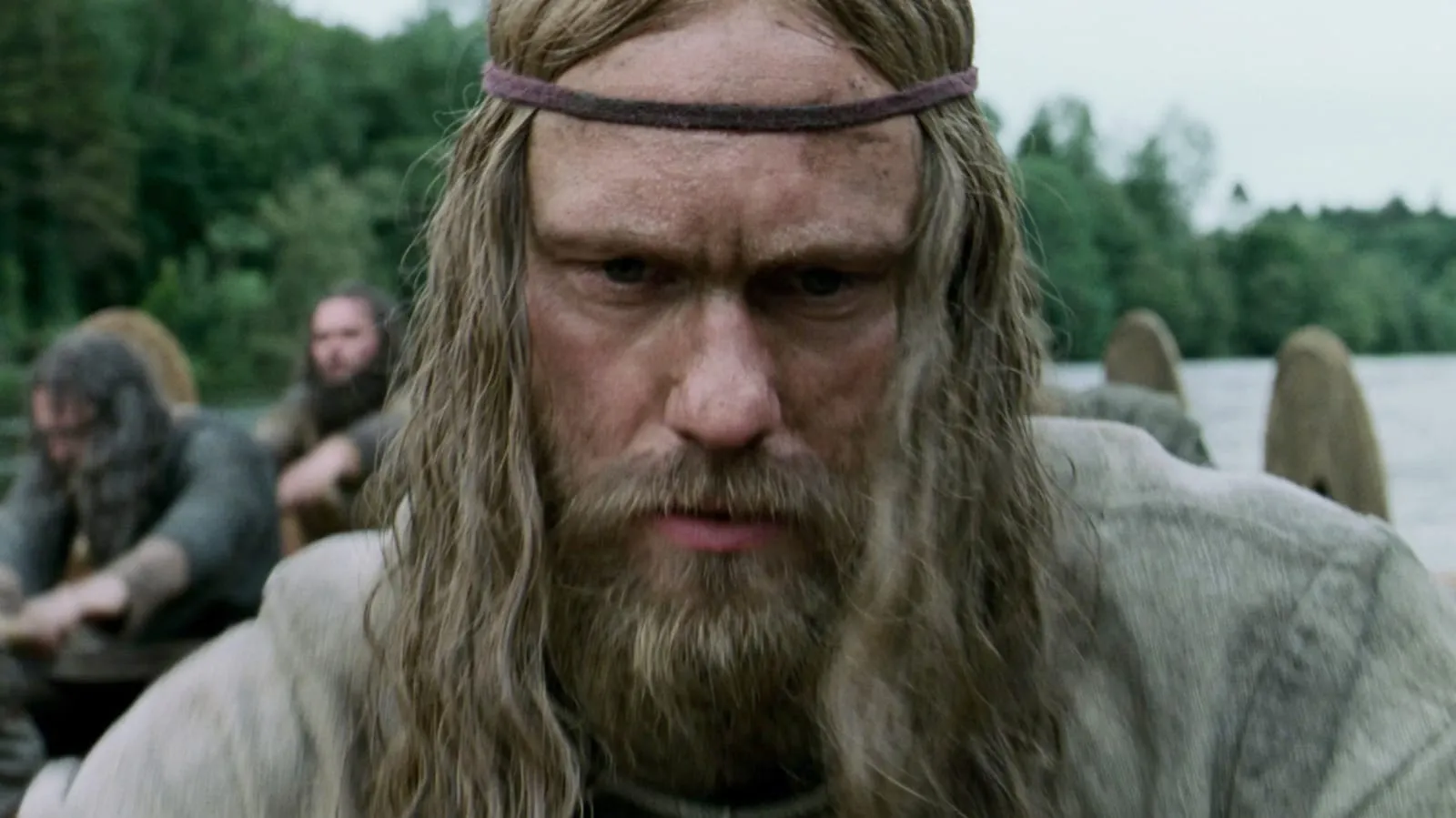
When a cinematic endeavor doesn’t meet the expected audience response, it often doesn’t end the journey for the filmmaker. For director Robert Eggers, the experience of bringing the epic saga of the Vikings to the screen, The Northman, proved to be less a commercial failure and more a masterclass in storytelling.
While box office numbers can certainly be sobering, the real value of a film often lies in the lessons learned about pacing, mythology, and the deep, often brutal, psychology of the subjects you are exploring. Eggers absorbed a powerful understanding of how to frame a sprawling historical narrative, treating the ancient world not just as backdrop, but as a complex, living entity.
This profound understanding didn’t stay confined to the icy fjords of Northern Europe. Instead, Eggers took the lessons gleaned from the Viking age and applied them to his subsequent work, demonstrating a distinct shift in thematic focus with his latest project, Werwulf.
In Werwulf, Eggers continues to explore the raw, often uncomfortable intersections of human nature and primal savagery. The framework established by his earlier works informed a heavier, more visceral approach, allowing the narrative to delve deeper into the internal conflicts and the moral ambiguities that define those who operate on the fringes of civilization.
Whether dealing with historical epics or intensely focused horror, the common thread remains the commitment to meticulously constructed worlds and the unflinching exploration of dark human experience. It is this directorial philosophy—the willingness to make the difficult and the mythic—that defines Eggers’ cinematic signature, proving that every film, even those that don’t hit the mark immediately, serves as a vital step on the path to artistic mastery.
Buy on Amazon
Credit