Robert Shaw’s Wild Jaws Days Behind Quint
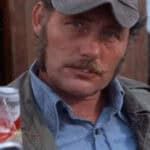
The making of Jaws”>Jaws was already a maelstrom of mechanical failures, shifting weather, and clashing egos. Amidst this cinematic chaos, one unpredictable force shaped the legendary performance of Quint: Robert Shaw, a man whose brilliant talent was intertwined with a legendary—and often drunken—story.
Shaw brought to the production more than just acting; he injected raw passion and a unique perspective that refused to be confined by the script. He drew from his own appetites and experiences to create a character for Quint that felt viscerally real, lending the character an unforgettable depth that transcended mere lines.
Behind the ferocious grin and haunting songs of the sea lay a man whose drinking had become part of his mythology. During the grueling production, the line between the actor and the drunken sailor he portrayed could become dangerously blurred, making the history of Shaw’s drinking inseparable from the making of the film itself.
The film shoot stretched into an endless purgatory on the high seas, punctuated by delays and frustrating waits. While the technical problems mounted, Shaw often found himself in moments of boredom, turning to Scotch, vodka, and gin to pass the time. He cheerfully admitted that he tended to drink when feeling utterly bored, turning downtime into an unexpected part of the creative process.
As the production unfolded, Shaw began to absorb the rhythms of the environment. He spent time with local fishermen, allowing him to absorb the real-life sounds, jokes, and mannerisms of the sailors. He didn’t just play Quint; he internalized the spirit of the men on the boat, breathing life into the dialogue and the physical presence.
This immersion bled into the performance. Shaw reportedly contributed bits of fisherman dialogue and sang their songs, perfecting the rugged authenticity of the role. He even introduced personal touches, such as suggesting modifications to the character’s appearance, demonstrating how deeply he lived within the narrative.
This process of character absorption extended to the personal dynamics on set. Shaw’s relationship with Richard Dreyfuss was famously charged with friction. Shaw possessed a sharp wit, often challenging Dreyfuss, mocking his insecurities, and delighting in pressing his buttons. This animosity, fueled by the high-stakes environment, provided a strange, essential dynamic for the film.
The tension between Shaw and Dreyfuss was volatile. There were moments of genuine aggravation, punctuated by legendary, if chaotic, incidents—including a well-known confrontation involving bourbon and a fire hose. Yet, this friction ultimately served the film by creating a palpable energy that no mere screenplay could manufacture.
Ultimately, the most profound moment came in the iconic Jaws”>USS Indianapolis speech. Robert Shaw took the material and reshaped it, ensuring that Quint’s monologue was not just a recitation of history, but a visceral journey of memory and fear. This scene, which remains the emotional core of the film, was profoundly enhanced by Shaw’s ability to tap into raw emotion.
The great irony of the story is that while alcohol nearly incapacitated him during the filming, it did not define his talent. When Robert Shaw returned sober, he delivered a performance built on raw, disciplined genius. The legendary performance of Quint emerged not from intoxication, but from an unparalleled ability to translate deep emotion into action.
The legend of Robert Shaw reminds us that the greatest artistry often emerges from the crucible of chaos. The booze provided the behind-the-scenes stories, but it was the authentic, formidable talent of the actor that gave the audience Quint—a man whose fear and resilience resonated far beyond the frame.
Buy on Amazon
Credit