Rodriguez invented this classic Hollywood trope
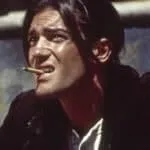
Is there anything cooler than walking away from an explosion?
It’s a cinematic maneuver that defines swagger, showcases nerve, and instantly communicates that some characters operate on a plane above chaos. You see it in action films, sci-fi epics, and superhero blockbusters: a building erupts, flames consume the background, debris flies everywhere, and the hero doesn’t flinch. They simply keep walking, unfazed.
Tony Stark, Wolverine, Denzel Washington—these figures have mastered the art of the cool exit. But how did this effortless visual shorthand become a staple of modern action movie language? The story of the explosion walk is far more complex than a simple coincidence; it’s a history of accidental genius and Hollywood adaptation.
The trope didn’t spring up overnight. Filmmakers have been using explosions to establish tension long before the modern “walk-away” became standard. Early precedents can be found in films like Goldfinger (1964), where James Bond calmly lights a cigarette while chaos reigns, establishing the attitude that the hero is above the fray.
As the 80s dawned, the visual language began to solidify. Films like showcased characters calmly emerging from disaster, laying the groundwork for the swagger we recognize today. Even in experimental works like Remo Williams: The Adventure Begins (1985), the concept of walking away from wreckage was already explored.
Later works, such as robo-cop and arrived, the attitude of untouchable confidence was firmly established.
The full, dynamic shot—the slow-motion walk directly from an explosion—arrived in a brilliant, if accidental, package. Robert Rodriguez, in his quest for cheap, effective filmmaking, stumbled upon this perfect visual through his independent work, including the Spanish-language film el mariachi.
Rodriguez’s process was pure improvisation. When faced with a technical hurdle—like needing a fireball effect that wouldn’t vanish instantly—he didn’t retreat. Instead, he found a practical solution: shooting in slow motion. This technical necessity accidentally created the signature shot we know today.
When desperado hit theaters in 1995, the sequence of Antonio Banderas and Salma Hayek walking calmly away from a massive fireball behind them became an iconic moment. Rodriguez hadn’t invented the trope, but he had demonstrated how to make the shot work, setting a standard that Hollywood would eagerly adopt.
This visual synergy was further amplified in subsequent films like from-dusk-till-dawn, where the explosion walk was expanded into a complex, continuous action sequence, proving its potency. The trope became so ingrained that it was eventually satirized, leading to comedy songs like
Buy on Amazon
- Goldfinger
- Remo Williams: The Adventure Begins
- robo-cop
- Highlander II: The Quickening
- Terminator 2: Judgment Day
- el mariachi
- desperado
- from-dusk-till-dawn
- Tony Stark
- Wolverine
- Denzel Washington
- Robert Rodriguez
Credit