Scorsese’s mad obsession with Cleopatra
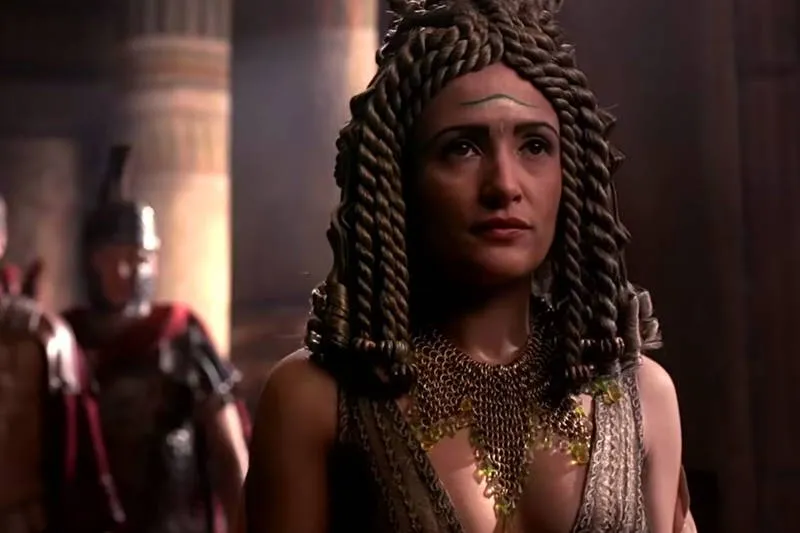
For two decades, one of cinema’s most dramatic and glamorous subjects has existed in the realm of possibility: a sweeping biopic of Cleopatra. Behind the myth and the majesty of the historical figure, a high-profile, yet frustratingly elusive, cinematic project has quietly haunted the corners of Hollywood, particularly for filmmaker Martin Scorsese.
Scorsese has recently opened up about how incredibly close he came to directing the Angelina Jolie-led version of the epic, a dream project that flirted with becoming a reality at Sony Pictures. The ambition was palpable; the initial vision involved adapting Stacy Schiff’s Pulitzer Prize-winning biography, and key figures like James Cameron, Brian Helgeland, and Scott Rudin were involved in the early planning stages.
The project started with significant momentum, featuring an idea that drew in major industry names. When the initial trajectory shifted, the film flirted with other titans of cinema, including Paul Greengrass, David Fincher, and Ang Lee, suggesting the potential for a visually breathtaking and historically rich adaptation.
However, the journey hit some unexpected, and perhaps far less glamorous, obstacles. The project seemed to stall for years before reappearing in 2017 when Denis Villeneuve was linked to it, suggesting that the appetite for the story remained, even if the roadmap kept changing.
The true reason for the long hiatus, Scorsese revealed, lies in a moment of sheer frustration that derailed the plans. In a recent video appearance, he admitted his regret over the project not moving forward, citing a messy incident involving the 2014 comedy The Interview. He recounted how a joke made by Seth Rogen regarding Kim Jong Un reportedly caused a significant blowout at Columbia, which allegedly ruined the project before it could take shape.
Adding another layer of complexity to the history is the infamous Sony hack, where email exchanges exposed Scott Rudin’s private discussions with Sony co-chair Amy Pascal. This context suggests that the logistical and personal challenges of development were compounded by internal corporate drama.
Despite the high-stakes history, the film has remained largely dormant. No substantial updates on the Cleopatra project have surfaced since 2017. While other attempts to revive the concept have surfaced—such as plans for a Wonder Woman-style take featuring Gal Gadot and Patty Jenkins in the early 2020s—these too have reportedly stalled.
The enduring appeal of Cleopatra is clear, evidenced by its theatrical history, from Elizabeth Taylor’s iconic 1963 portrayal to Lyndsey Marshal’s work in HBO’s Rome. What remains, perhaps, is the memory of a spectacular cinematic dream that slipped through the fingers, a colossal story waiting for the right moment to finally unfold.
Buy on Amazon
Credit