Sea of Glass turns into Greek tragedy a widow’s retreat
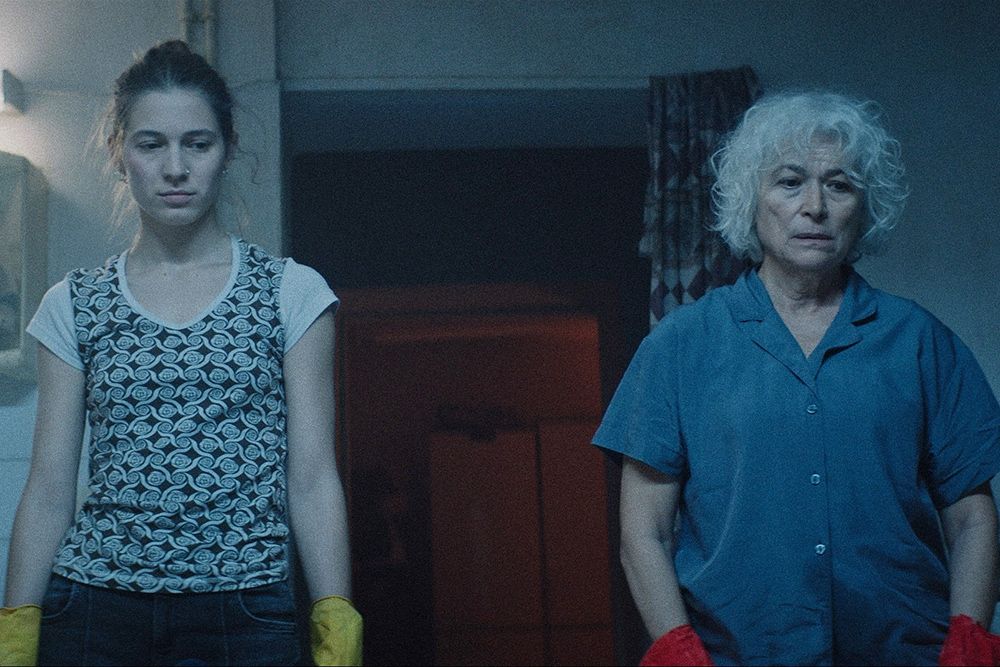
The Mediterranean coast, famous for its relentless rhythm of Greek waves, serves as the dramatic backdrop for Alexis Alexiou’s latest cinematic vision, Sea of Glass. While the water laps against a somewhat forlorn beachside setting, the true drama unfolding on screen is far from the peculiar nature of the sea itself.
Alexiou is operating within a national cinema landscape that has already garnered significant international attention, largely due to its reputation for perverse plotting and deadpan absurdism. This established reputation sets a high bar for the complex, often unconventional storytelling coming from the region.
Yet, Alexiou’s third feature stands apart from this established trend. Rather than leaning into irony or dark humor, his film embraces a different cinematic language. It is defined by a commitment to stark storytelling and earnest emotional intensity.
This contrast—the rugged, intense emotionality set against the famously eccentric backdrop of Greek coastal life—gives the film a unique resonance. It shifts the focus from intellectual trickery to raw human experience, inviting the audience to feel the weight of the characters rather than just observe their convoluted plots.
It is this stark, heartfelt approach that makes Sea of Glass a compelling addition to the international film conversation. It proves that powerful cinema doesn’t always need to rely on absurdity to be unforgettable; sometimes, the most profound stories are found in the sincerity of the human heart, even when framed by the dramatic sweep of the Aegean.
Buy on Amazon
Credit